
No products in the cart.

- Home/
- Buy Glucophage Online in the United States Safely and Easily
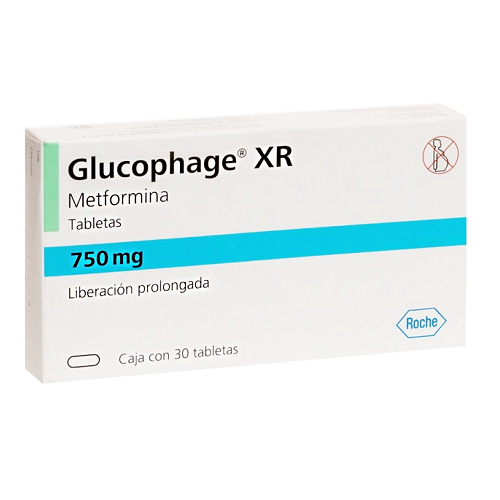
Can You Get Glucophage (Metformin) Without a Prescription in United States?
Glucophage (Metformin) is a prescription-only medication in the United States. It cannot be legally obtained without a valid prescription from a licensed healthcare provider. Over-the-counter sales are not permitted.
Key Takeaways: Glucophage (Metformin) in the United States
- Glucophage is usually prescribed for adults with type 2 diabetes to lower blood glucose when lifestyle changes are insufficient.
- A prescription from a licensed medical provider is required to obtain Glucophage at any U.S. pharmacy.
- The medication is widely available as both a brand and multiple generic versions, making it accessible and affordable for most patients.
- Gastrointestinal side effects are common, especially when first starting treatment, but most are manageable and temporary.
- Consult your doctor immediately if you experience severe weakness, shortness of breath, or unexplained muscle pain.
- Glucophage is considered first-line therapy, but not all patients are candidates—kidney and liver function must be checked before starting.
How Does Glucophage (Metformin) Work?
Glucophage contains the active ingredient metformin hydrochloride, a member of the biguanide class. Metformin’s primary action is to decrease glucose production in the liver (hepatic gluconeogenesis) and increase insulin sensitivity in peripheral tissues, especially muscle. At the cellular level, metformin activates AMP-activated protein kinase (AMPK), an enzyme involved in energy regulation, which in turn inhibits the liver’s ability to produce new glucose and enhances the uptake and utilization of glucose by muscle cells.1
Metformin does not stimulate insulin secretion, so it does not typically cause low blood sugar (hypoglycemia) when taken alone. Instead, think of it as improving the body’s “thermostat” for blood sugar—helping your system use available insulin more effectively and keeping the liver from flooding the bloodstream with excess sugar, especially between meals and overnight.
Key pharmacological effects:
- Reduces hepatic (liver) glucose output
- Improves insulin sensitivity in muscle and fat tissue
- Decreases absorption of glucose in the intestines
Metformin’s action is independent of beta-cell function, meaning that it can remain effective even when insulin production from the pancreas is diminished.
Metaphor: Metformin acts like a traffic controller, signaling your liver to release less sugar into the bloodstream and helping your muscles absorb more from the “traffic jam” of circulating glucose.
Does Glucophage need food or special triggers? No, its effect is not dependent on food intake, exercise, or other external factors, but dosing with meals can help reduce side effects.
Why Expectations Often Differ From Reality: Insights From Clinical Practice
Many patients expect Glucophage to reduce blood sugar rapidly and with minimal side effects, but real-world results can be less predictable. In my practice, people often judge the effectiveness of metformin within a few days, yet its true benefit may take several weeks to be fully apparent, especially when titrating up to target dose. Some patients are surprised by the frequency of gastrointestinal upset and mistakenly believe this means the medication is “not working” or is unsafe, leading to early discontinuation. Rarely do patients ask about kidney function or long-term vitamin B12 deficiency—two areas that deserve more attention. I routinely advise patients that improvement in blood glucose trends, not just a single reading, is the best marker of efficacy over time. It’s also critical to align on lifestyle changes alongside medication for optimal results.
How to Take Glucophage: Dosing, Timing, and Duration
Standard starting dose (immediate-release): Adults typically begin with 500 mg once or twice daily with meals. If gastrointestinal side effects are tolerated, the dose may be increased by 500 mg every 1-2 weeks, as directed by a physician, to achieve desired glucose control.2
Maximum recommended dose: 2,000–2,500 mg per day for most adults, divided into 2–3 doses. Doses above 2,000 mg daily may increase side effect risk without significant additional benefit.
Extended-release (XR) formulations: May be started at 500 mg once daily with the evening meal, increased by 500 mg each week as tolerated, up to 2,000 mg daily.
- Tablets should be swallowed whole and not split, chewed, or crushed unless specifically labeled as scored.
- Taking with meals minimizes stomach upset.
- For elderly patients or those with reduced kidney function, lower starting doses and slower titration are recommended.
Onset and duration: Blood glucose lowering is gradual—noticeable changes usually appear within several days, with maximum effect after 1–2 weeks. The medication does not provide instant results.
Do not exceed the dose prescribed by your doctor.
Food, Alcohol, and Lifestyle Factors With Glucophage
Taking Glucophage with food reduces stomach upset. High-fat or very large meals may delay absorption slightly, but do not significantly alter effectiveness.3
Alcohol: Combining Glucophage with alcohol significantly increases the risk of a rare but serious complication called lactic acidosis. For most patients, alcohol should be minimized or avoided entirely. For those who choose to drink occasionally, limit to one standard drink per day, and never consume alcohol in excess, especially if you have kidney or liver issues.
Grapefruit juice: No clinically significant interaction is known between Glucophage and grapefruit juice.
Physical activity and stress: Exercise enhances the glucose-lowering effect of metformin. Acute illness, dehydration, or surgery require consultation with your provider about whether to pause the medication.
Who Should Never Take Glucophage? Contraindications and Red Flags
Absolute contraindications (never use):
- Severe kidney impairment (eGFR < 30 mL/min/1.73m2)
- Acute or chronic metabolic acidosis (including diabetic ketoacidosis)
- Severe liver impairment
- Known hypersensitivity to metformin or excipients
Relative contraindications (use with caution or after specialist consultation):
- Moderate kidney impairment (eGFR 30–45 mL/min/1.73m2)—requires lower dose and close monitoring
- Heart failure requiring hospitalization or unstable cardiovascular status
- Chronic alcohol abuse
- Severe infection or dehydration
- Planned radiologic studies with iodinated contrast—may need temporary discontinuation
Why? Glucophage is eliminated through the kidneys. Impaired kidney or liver function increases the risk of dangerous lactic acid buildup (lactic acidosis), a rare but life-threatening event.
After a heart attack, stroke, or major surgery, metformin may need to be held temporarily and restarted only under medical supervision.
What Side Effects Are Most Common With Glucophage?
Very Common (>10%):
- Gastrointestinal upset: nausea, diarrhea, stomach pain, loss of appetite
Common (1–10%):
- Metallic taste in mouth
- Mild weight loss
- Flatulence
Rare (<0.1%):
- Vitamin B12 deficiency (usually after long-term use)
- Skin rash
Very rare (<0.01%):
- Lactic acidosis (life-threatening, mortality up to 50% if untreated)
- Hepatitis
Mechanism of GI upset: Metformin acts locally on the gastrointestinal tract, leading to increased motility and reduced absorption of glucose, causing symptoms like diarrhea and abdominal cramps.
What to do if side effects occur:
- If mild: Continue taking with food, give your body time to adjust.
- If severe or persistent (vomiting, dehydration, muscle pain, breathing difficulties): Stop the medication and seek immediate medical attention.
Mistakes to Avoid When Taking Glucophage for Diabetes
Overlooking regular kidney checks: Many patients do not get kidney function monitored before and during therapy. Skipping these tests increases the risk of lactic acidosis as kidney function can decline silently over time.
Stopping medication abruptly after side effects: Gastrointestinal upset is common in the first 1–2 weeks but often subsides. Patients who stop immediately miss out on the long-term benefits. Speak with your physician before discontinuing.
Taking on an empty stomach: Swallowing Glucophage without food increases the chance of nausea and diarrhea. Always take with a meal unless otherwise directed.
Splitting non-scored tablets: Some patients attempt to break tablets that should not be split, leading to uneven dosing. Only split scored tablets prescribed by your doctor.
Drinking alcohol regularly: Underestimating the risk of alcohol can be dangerous—regular drinking with Glucophage can trigger lactic acidosis.
Not informing healthcare providers before contrast imaging studies: Failing to pause Glucophage as instructed before imaging can put you at risk for kidney injury and acidosis.
How Does Glucophage Compare to Other Diabetes Medications?
Below is a comparison of Glucophage (Metformin) with two other commonly prescribed non-insulin drugs for type 2 diabetes: Januvia (sitagliptin) and Jardiance (empagliflozin). Price ranges are approximate for a typical one-month supply at U.S. retail pharmacies in 2026.
| Medication | How It Works | Onset Speed | Common Side Effects | Cost (USD, est./month) |
|---|---|---|---|---|
| Glucophage (Metformin) | Reduces liver glucose output; increases insulin sensitivity | Days to weeks | GI upset, B12 deficiency (rare) | $8–$30 (generic), $65–$100 (brand) |
| Januvia (Sitagliptin) | DPP-4 inhibitor; increases insulin release post-meal | Days | Upper respiratory infection, headache | $500–$600 |
| Jardiance (Empagliflozin) | SGLT2 inhibitor; increases urinary glucose excretion | Days | Genital yeast infections, increased urination | $540–$650 |
Bottom line: Glucophage remains the most cost-effective, established, and first-line oral option for type 2 diabetes. It has more gastrointestinal side effects, but fewer long-term risks compared to newer drugs. Insurance coverage is almost universal for generics. Newer agents may be preferable for those with cardiovascular or kidney disease, but are much more expensive.
Glucophage (Metformin): Product and Technical Details
| Parameter | Value |
| Active Ingredient | Metformin hydrochloride |
| Available Strengths | 500 mg, 850 mg, 1000 mg (immediate-release and extended-release) |
| Formulation | Tablet (film-coated); oral solution (rare) |
| Prescription Required | Yes (United States, 2026) |
| Storage | Room temperature (20–25°C/68–77°F) |
| Shelf Life | 36 months |
| Packaging | Blister packs or bottles, with lot number and expiry date |
| Manufacturer | Various (original: Merck/Sanofi Aventis; many generics) |
Compatibility Checklist: Glucophage and Other Products
| Type of Product | Can It Be Combined? | Consequences/Risks |
|---|---|---|
| Aspirin (low-dose) | Yes | No significant interaction |
| Insulin | Yes | Increased risk of hypoglycemia; monitor glucose closely |
| NSAIDs (e.g., ibuprofen) | With caution | May reduce kidney function; monitor renal labs |
| Alcohol | Preferably no | Increased risk of lactic acidosis |
| Iodinated contrast (for scans) | NO (temporarily pause) | Kidney injury, risk of lactic acidosis |
| Grapefruit juice | Yes | No significant interaction |
Step-by-Step: How to Obtain Glucophage Safely in the U.S.
- Schedule an appointment with your primary care provider or endocrinologist. Many clinics in major cities (New York, Los Angeles, Chicago) offer both in-person and telehealth visits for diabetes evaluation.
- Undergo medical assessment: Your doctor will assess your symptoms, review your medical history, and order blood tests (including kidney and liver function) to determine if Glucophage is appropriate.
- Receive a prescription: If Glucophage is indicated, your provider will send an electronic prescription to your preferred pharmacy.
- Pick up your medication: Visit a licensed U.S. pharmacy (chains like CVS, Walgreens, Walmart, or local stores). Present your health insurance card or pay out-of-pocket (generics are inexpensive).
- Begin therapy and follow up: Start as instructed. Follow up with lab checks and clinical visits to monitor efficacy and side effects.
Note: Some U.S. telemedicine services can prescribe Glucophage after virtual assessment, provided your state allows remote prescribing for chronic conditions.
How to Identify Legitimate Pharmacies Online
With the rise of internet pharmacies, it’s critical to ensure your Glucophage comes from a licensed and reputable source. In the United States, look for:
- VIPPS accreditation: Verified Internet Pharmacy Practice Sites program run by the National Association of Boards of Pharmacy (NABP). Only use pharmacies listed at nabp.pharmacy.
- Requirement for a prescription: Legitimate pharmacies always require a valid U.S. prescription for Glucophage.
- Physical address and contact info: The pharmacy should list a physical U.S. address and phone number.
- Beware of “no prescription required” offers: These are red flags for counterfeit or unsafe medicine.
- Check the FDA’s BeSafeRx resource at fda.gov for more guidance.
Counterfeit Glucophage is rare in the U.S. supply chain but more common from unregulated online sellers. Signs include inconsistent packaging, unusual pill markings, and a price far below average market rates.
Identifying Counterfeit and Generic Glucophage: A Practical Guide
Authentic Glucophage: Should come in manufacturer-labeled blister packs or bottles, with clearly printed lot numbers, expiration dates, and the manufacturer’s logo. U.S. packaging often includes QR codes or holograms for authenticity.
- Tablet appearance: Brand Glucophage tablets are white, round or oval, and may be engraved with “500,” “850,” or “1000.”
- Packaging: Check for FDA-approved labeling; generics may differ in color or shape, but must state the manufacturer and FDA approval.
- Unusually low price: If the price is less than half the U.S. generic price, be extremely cautious—it may be counterfeit or imported outside FDA oversight.
Brand vs. generic:
- Generic metformin (multiple manufacturers) is clinically equivalent to brand Glucophage.
- Generics may use different inactive ingredients (excipients), which rarely cause allergic reactions or gastrointestinal intolerance. If you notice new or unusual symptoms after switching, tell your provider.
- Generics cost significantly less and are covered by most insurance plans.
What are generics? Generics contain the same active ingredient in the same dose and must meet strict FDA standards for quality, safety, and effectiveness. They are a safe way to reduce cost without sacrificing treatment outcomes.
Myth vs. Reality:
Myth: Generic metformin is less effective than brand-name Glucophage.
Reality: FDA-approved generics are considered equivalent and just as effective as brand medication.
What Happens to Glucophage in Your Body: Pharmacokinetics Explained
After oral administration, metformin is absorbed mainly in the small intestine, with peak blood concentration reached in about 2–3 hours for immediate-release tablets and 6–8 hours for extended-release.4
- It is not metabolized by the liver and does not bind significantly to plasma proteins.
- Elimination is entirely through the kidneys in unchanged form.
- Half-life (T1/2): Approximately 6.2 hours in healthy adults.
- In patients with impaired kidney function, metformin can accumulate, increasing toxicity risk.
Key point: If you have chronic kidney disease or acute illness affecting the kidneys, Glucophage should be paused or discontinued.
Glucophage in Special Populations: What Patients Need to Know
Children and adolescents: In the U.S., Glucophage is FDA-approved for ages 10 and up with type 2 diabetes; dosing and monitoring are similar to adults, but typically start lower.5
Elderly patients: Glucophage should be used cautiously in adults over 80 years old, primarily due to reduced kidney function and higher risk of lactic acidosis.
Pregnancy and breastfeeding: Metformin is sometimes used in pregnancy for gestational diabetes, but only under specialist supervision. It is excreted in breast milk in small amounts.
Fertility: Metformin may be prescribed in women with polycystic ovary syndrome (PCOS) to improve ovulation and fertility.
Driving and operating machinery: Glucophage alone does not cause hypoglycemia, so it does not typically affect the ability to drive or operate equipment. If used with other glucose-lowering medications, monitor for symptoms of low blood sugar.
Understanding the Emotional Impact of Living With Diabetes
Type 2 diabetes is a common and manageable condition. It’s understandable to feel overwhelmed when starting new medications, but you are not alone. Many people find it helpful to discuss their experiences with a qualified professional, diabetes educator, or supportive family member. Small, steady changes can make a big difference in your long-term health.
What to Do if You Take Too Much Glucophage: Emergency Steps
- Stop taking Glucophage immediately.
- Call emergency services (911) or your local Poison Control Center (1-800-222-1222) in the United States.
- Describe the amount taken, timing, and any symptoms (vomiting, breathing difficulty, confusion, muscle pain).
- Do not wait for symptoms to appear—overdose can lead to fatal lactic acidosis.
- If possible, bring the medication packaging and your medical information to the hospital.
Questions Patients Often Ask doctor
- How long does it usually take for Glucophage to improve my blood sugar readings?
- Most patients begin to see improved fasting or post-meal blood glucose after about 1–2 weeks of regular use, though for some it may take up to a month, especially if the dose is increased gradually to minimize side effects.
- If I feel fine, do I still need follow-up blood tests while on Glucophage?
- Yes. Regular monitoring of kidney and liver function, vitamin B12 levels, and blood glucose is essential. Even if you feel well, complications can develop silently.
- Why did my doctor start me on a low dose when my blood sugar is very high?
- Starting at a low dose helps minimize gastrointestinal side effects and allows your body to adjust, increasing the chance you’ll tolerate the medication and continue therapy long term.
- Can I stop Glucophage if my blood sugar returns to normal?
- Do not stop without consulting your doctor. Blood sugar may rise again if lifestyle changes alone are not sufficient. Your doctor will help assess whether continued medication is needed.
- What should I do if I become ill or need surgery while taking Glucophage?
- Inform your healthcare provider. Acute illness, dehydration, or surgery may require temporarily stopping the medication to reduce the risk of complications like lactic acidosis.
- Does Glucophage help with weight loss?
- Many patients experience modest weight loss due to reduced appetite or improved glucose metabolism, but it should not be used solely for this purpose unless prescribed for diabetes or insulin resistance.
Clinical Assessment by doctor: Who Benefits Most From Glucophage?
In clinical practice, Glucophage (metformin) remains the first-line oral therapy for adults newly diagnosed with type 2 diabetes, especially those who are overweight or have evidence of insulin resistance. Patients with stable kidney function and no history of lactic acidosis are ideal candidates. I consider it particularly beneficial for individuals motivated to adopt dietary and exercise changes, as metformin’s effect is synergistic with lifestyle modification. However, I am cautious in patients with moderate to severe kidney disease, advanced liver disease, or those with chronic alcohol use—here, the risk of lactic acidosis outweighs potential benefits, and alternatives may be more appropriate. For those with cardiovascular disease or at high risk, newer agents like SGLT2 inhibitors or GLP-1 receptor agonists may offer additional protection but come at a much higher cost. Periodic reassessment is essential, as changes in kidney or liver function, new medical issues, or persistent intolerable side effects may warrant switching to another therapy. Ultimately, Glucophage offers a proven, affordable, and effective option for a broad range of patients, but personalized evaluation is key.
FAQ: Glucophage in the United States
- Is Glucophage (Metformin) available over the counter in the United States?
- No. Glucophage requires a prescription from a licensed healthcare provider in the U.S.
- How much does Glucophage cost at U.S. pharmacies?
- Generic metformin is typically $8–$30 per month out-of-pocket; brand Glucophage is higher, around $65–$100. Most insurance plans cover generics with low or no copay.
- Can Glucophage cause low blood sugar (hypoglycemia)?
- Not usually when taken alone. The risk is higher only when combined with insulin or certain other diabetes medications.
- How long do I need to take Glucophage?
- Most patients take Glucophage long-term, often for years, as diabetes is a chronic condition. Your doctor may adjust or stop the medication if your health status changes.
- What foods or drinks should I avoid while taking Glucophage?
- Avoid or strictly limit alcohol. No specific foods are prohibited, but taking Glucophage with meals helps reduce stomach upset.
- Are there alternatives if I cannot tolerate Glucophage?
- Yes—other oral medications (like DPP-4, SGLT2 inhibitors) or injectable drugs (GLP-1 agonists) may be options. Discuss with your healthcare provider.
- Can I take Glucophage if I am pregnant or breastfeeding?
- Only if specifically prescribed by your doctor, usually for gestational diabetes or PCOS. Safety must be evaluated on a case-by-case basis.
- Will Glucophage interact with my blood pressure or cholesterol medicine?
- Most common blood pressure and cholesterol medicines are compatible with Glucophage, but always inform your doctor about all medications and supplements you take.
- What is lactic acidosis and how can I prevent it?
- Lactic acidosis is a very rare but serious complication where lactic acid builds up in the blood. Prevent it by taking Glucophage only as prescribed, monitoring kidney function, and avoiding excess alcohol or dehydration.
References
- American Diabetes Association. Standards of Medical Care in Diabetes—2026. https://diabetes.org/
- U.S. Food and Drug Administration (FDA) Glucophage Label. https://www.accessdata.fda.gov/
- MedlinePlus Drug Information: Metformin. https://medlineplus.gov/
- PubMed: Metformin Pharmacokinetics and Safety, 2024. https://pubmed.ncbi.nlm.nih.gov/
- FDA Drug Approvals and Databases. https://www.fda.gov/drugs
- Mayo Clinic: Metformin (Oral Route) Precautions. https://www.mayoclinic.org/
- National Association of Boards of Pharmacy (NABP) – Safe Pharmacy. https://nabp.pharmacy/


