
No products in the cart.

- Home/
- Buy Nolvadex Without Prescription in the United States Online
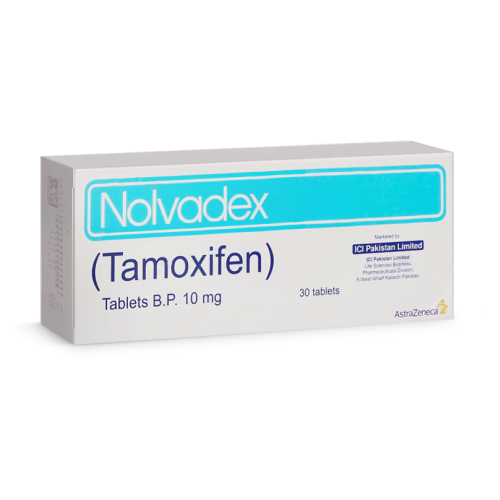
Nolvadex (tamoxifen) is a prescription medication used to treat certain types of breast cancer and reduce the risk of recurrence. For many women and some men in the United States diagnosed with hormone receptor-positive breast cancer, Nolvadex remains a foundational therapy. Before starting, know this: Nolvadex is highly effective for many, but its benefits and risks are deeply personal—your medical history, cancer type, and future plans all shape if it’s the right choice for you.
Nolvadex’s Place in Breast Cancer: The Reality Behind the Prescription
It’s late afternoon, and you’re sitting across from your oncologist. The word “Tamoxifen” floats amid a flurry of lab reports, risk estimates, and treatment options. For patients in the United States, that brand—Nolvadex—still means something specific: a bridge between hope and fear, between the science of recurrence prevention and the reality of daily life after diagnosis.
No one wakes up wanting to learn about selective estrogen receptor modulators. What you want to know is whether Nolvadex is the anchor you need for the next five or ten years, or if it’s a relic of another era, outpaced by newer therapies. Yet, year after year, guidelines from bodies like the FDA and ASCO keep Nolvadex front and center for hormone receptor-positive breast cancer—not out of inertia, but because decades of research still find it holds unique ground.
Definition Block:
- Tamoxifen (Nolvadex)
- A SERM (selective estrogen receptor modulator) that blocks estrogen’s effects in breast tissue, lowering recurrence risk in estrogen receptor-positive breast cancer.
But nothing about this choice is generic. For a 32-year-old wanting children, tamoxifen’s fertility profile matters more than for a 68-year-old with cardiac disease. For some men with rare estrogen-positive breast cancers, it’s close to irreplaceable. In the United States, where insurance formularies, copays, and second opinions all shape the journey, Nolvadex’s value is never just scientific—it’s personal, practical, and sometimes political.
- More than 70% of breast cancers in the US are hormone receptor-positive, making Nolvadex a potential option for the majority of patients facing this diagnosis.
- While newer aromatase inhibitors have crowded the landscape, tamoxifen is still the only agent recommended for certain premenopausal women and some men.
- Generic tamoxifen is widely available, but the brand name Nolvadex is still requested—often for confidence, sometimes for insurance reasons, sometimes for patient preference based on earlier experience.
The bottom line: Nolvadex isn’t just a line in a guideline—it’s a decision that lives in the details. Those details are what this article is built to unpack.
How Nolvadex Works—and What That Means for You
Nolvadex doesn’t poison cancer cells. It doesn’t “zap” tumors or shrink masses overnight. What it does is sneak into the machinery that lets breast cancer thrive on estrogen, blocking the hormone’s effect where it matters most. For patients with estrogen receptor-positive (ER+) cancers, this changes the rules of the game: less fuel for rogue cells, and a dramatically lower chance they’ll come back.
Stat: Taking Nolvadex for five years can reduce the risk of breast cancer recurrence by up to 50% in ER+ patients, according to long-term data from major clinical trials (NCI).
But the effect isn’t one-size-fits-all. Tamoxifen’s ability to block estrogen is powerful in breast tissue, but in other organs, like bones or the uterus, its influence is mixed: sometimes helpful, sometimes not. That’s why, for some women, it preserves bone density (a good thing); for others, it nudges up the risk of uterine lining changes that have to be monitored.
Clinical Tip: “Nolvadex is only effective against hormone receptor-positive breast cancers. If your tumor is hormone receptor-negative, Tamoxifen will not help prevent recurrence.”
For patients considering Nolvadex, the real story isn’t just mechanism—it’s what this mechanism means for life outside the clinic: periods may change, hot flashes can become routine, and rare but serious risks (blood clots, uterine cancer) are closely watched.
- Tamoxifen starts working within days, but full benefit accumulates over years of use.
- Stopping too soon, missing doses, or taking medications that interact with tamoxifen can all reduce its effectiveness.
- Men on Nolvadex may experience different side effects—fewer hot flashes, more muscle cramps or libido changes.
This is less about chemistry, more about partnership: patient, doctor, and pharmacist all play a role in making sure the promise of Nolvadex translates into real-life prevention.
Why (and When) Nolvadex Becomes the Doctor’s First Pick
Sometimes, the choice is clear. A premenopausal woman with newly diagnosed ER+ breast cancer walks in: her doctor reaches for Nolvadex almost reflexively. But there are decision points—moments when the balance tips one way, not another.
- For premenopausal women, Nolvadex is usually front line. Aromatase inhibitors don’t work if the ovaries are still making estrogen.
- Men with ER+ breast cancer are rare, but tamoxifen’s evidence in this group is stronger than for most alternatives.
- Patients with a history of osteoporosis may do better with Nolvadex than with medications that accelerate bone loss.
- Anyone hoping to preserve fertility, or considering pregnancy, is generally steered toward Nolvadex, because aromatase inhibitors are contraindicated in premenopausal women without ovarian suppression.
Important Note: Certain antidepressants (like paroxetine and fluoxetine) can interfere with how your body processes tamoxifen, potentially making it less effective. Always tell your doctor about every medication and supplement you take.
There are, however, good reasons not to use Nolvadex as first choice: prior history of blood clots, a strong family history of uterine cancer, or severe intolerance to hot flashes may push a physician to look elsewhere, assuming the patient is postmenopausal.
Doctor’s Perspective:“The most frequent misconception I see is that newer always means better. Many patients ask me if Nolvadex is out of date. But for a 40-year-old with ER+ breast cancer and plans for pregnancy in the future, tamoxifen is still unrivaled. It’s not just about the statistics—it’s about the long-term goals and day-to-day realities that come with survivorship.”
This isn’t a choice that lives in the abstract. It’s shaped by age, sex, tumor biology, competing medications, and the logistics of US healthcare: insurance coverage, pharmacy networks, and the doctor’s own comfort with long-term monitoring.
Nolvadex vs. Other Breast Cancer Treatments: What Really Sets It Apart?
For any woman (or man) with ER+ breast cancer, the treatment menu can feel overwhelming. Aromatase inhibitors, SERMs, ovarian suppression, and sometimes chemotherapy—each with its own set of trade-offs. The real choice often comes down to this: Nolvadex or something else? Here’s how they practically compare in the United States clinical landscape.
| Medication | Active Ingredient | Approved For | Premenopausal Use | Major Benefit | Common Side Effects | Key Risks | Cost/Insurance | Prescription Status (US) |
|---|---|---|---|---|---|---|---|---|
| Nolvadex | Tamoxifen | ER+ breast cancer treatment and recurrence prevention | Yes | Reduces recurrence risk up to 50% | Hot flashes, vaginal symptoms | Blood clots, uterine changes | Low, widely covered (generic available) | Prescription Only |
| Arimidex | Anastrozole | ER+ breast cancer in postmenopausal women | No | Reduces recurrence risk slightly more than tamoxifen in postmenopausal women | Joint pain, bone loss | Bone fractures, cholesterol changes | Moderate, insurance varies | Prescription Only |
| Femara | Letrozole | ER+ breast cancer in postmenopausal women | No | Data supports slightly higher efficacy post-menopause | Muscle pain, fatigue | Bone thinning, heart risk | Moderate to high, insurance varies | Prescription Only |
What does this mean for you? If you’re premenopausal, Nolvadex is often the only oral option with strong evidence. For postmenopausal patients, aromatase inhibitors might edge out Nolvadex in terms of recurrence reduction, but the side effect profile—especially bone health and joint pain—can be decisive. Cost is rarely the main obstacle for Nolvadex, thanks to generic tamoxifen and broad US insurance coverage, but insurance plans sometimes require “step therapy,” mandating tamoxifen trial before covering newer agents.
These differences aren’t academic—they’re lived. For some, the choice is dictated by side effect tolerance. For others, it’s shaped by fertility plans, or the interplay of co-existing illnesses that tip the balance toward one agent or another.
Taking Nolvadex: What Changes in Your Routine?
A pill a day. That’s what most patients picture, and in practical terms, that’s exactly right. But daily tamoxifen—whether branded Nolvadex or generic—comes with a set of habits and adjustments that most new patients don’t anticipate.
- Consistency matters: Nolvadex is most effective when taken at the same time every day. Missing doses or taking it irregularly erodes its ability to prevent recurrence.
- Food and timing: Tamoxifen can be taken with or without food, but some find it easier on the stomach with a meal.
- Interactions: Tell your pharmacist about all medications, including over-the-counter and herbal products—especially if you start or stop an antidepressant, blood thinner, or supplement like St. John’s Wort, which may affect how Nolvadex works.
Tip: Set a daily alarm or use a pillbox to build the habit. The risk of recurrence climbs if tamoxifen is interrupted or stopped early.
For many, hot flashes and night sweats begin within weeks. Others report mood swings, weight changes, or less tangible shifts—sleep patterns, libido, or even how they relate to their body. Some of these fade; others become part of the “new normal.”
What about alcohol, caffeine, or exercise? There’s no absolute restriction on any of these, but moderation is wise. Alcohol may increase the risk of some side effects. Exercise, on the other hand, can help reduce hot flashes and maintain bone health during treatment.
Section Summary:Nolvadex changes daily routines in small but persistent ways. The most successful patients are those who build new habits early, stay alert for interactions, and communicate openly with their care team about any changes—expected or not.
Which Side Effects Matter Most with Nolvadex—and When to Act
No cancer medication is risk-free. Nolvadex is considered safe for most users, but it’s not benign. Side effects range from the everyday to the urgent, and knowing which is which can save anxiety—or save a life.
Hot flashes are the headline side effect: nearly 80% of women will experience them, along with night sweats, mood changes, or vaginal symptoms. These are often manageable and, for many, lessen over time. Less commonly discussed are changes in menstrual cycle (periods may stop, become irregular, or restart after chemotherapy even years later), and sexual side effects such as vaginal dryness or decreased libido.
- Blood clots: The most serious risk. Tamoxifen increases the risk of deep vein thrombosis (DVT) and pulmonary embolism. Symptoms include sudden leg swelling, chest pain, or shortness of breath. These require immediate medical attention.
- Uterine changes: Long-term Nolvadex use raises the risk of endometrial cancer. Any abnormal vaginal bleeding, pelvic pain, or new discharge should be reported promptly.
- Vision changes: Rare, but tamoxifen can cause cataracts or retinopathy. Any sudden change in vision should be evaluated quickly.
- Liver effects: Very rare, but possible. Watch for jaundice (yellowing of the skin or eyes), dark urine, or persistent nausea.
| Side Effect | Frequency | When to Contact a Doctor |
|---|---|---|
| Hot flashes/night sweats | Very common (up to 80%) | If severe, affecting sleep, or driving mood changes |
| Blood clot (DVT/PE) | Rare (<2%) | Immediately, for leg swelling, chest pain, sudden shortness of breath |
| Abnormal vaginal bleeding | Uncommon (2-5%) | Any new, persistent, or heavy bleeding—do not wait |
| Vision changes | Rare (<1%) | Promptly, for any new or sudden vision problem |
| Liver issues (jaundice, dark urine) | Very rare | Immediately, if symptoms appear |
| Uterine cancer | Rare (increases with long-term use) | Report any pelvic pain or bleeding after menopause |
Most side effects are manageable, some fade, but a few demand action. Your care team will monitor your blood counts, liver tests, and—depending on your risk factors—may recommend ultrasounds or other screenings during long-term therapy.
Tip: Never ignore new symptoms while on Nolvadex. Even if you think they’re unrelated, let your doctor know—especially sudden swelling, breathing changes, or bleeding.
Navigating the US Healthcare System to Get Nolvadex
In the United States, Nolvadex is prescription-only. No reputable pharmacy will dispense it without a valid prescription from a licensed healthcare provider. But within that broad rule, the experience varies—by insurance, by region, by hospital system, and sometimes by luck.
- Insurance plans: Most commercial and government plans (including Medicare Part D) cover generic tamoxifen; some may require a prior authorization or step therapy (trying tamoxifen before covering a more expensive agent).
- Pharmacy access: You can fill your prescription at any major pharmacy chain, independent drugstore, or accredited mail-order pharmacy in the US. Some specialty pharmacies may handle complex cases or those requiring home delivery.
- Cost: Out-of-pocket costs for generic tamoxifen are usually low, often less than $20/month with insurance. Brand name Nolvadex may cost more and is less frequently stocked, but almost all plans cover the generic equivalent.
- Refills: Long-term therapy means multiple refills. Many practices write 90-day prescriptions to simplify adherence and reduce pharmacy visits.
Access Help: If you’re uninsured or underinsured, manufacturer assistance programs or nonprofit foundations may help cover the cost of tamoxifen. Ask your oncology social worker or pharmacist for up-to-date resources.
One pitfall: online “pharmacies” that promise Nolvadex without a prescription. These are not only illegal in the United States but may dispense counterfeit or unsafe products. Always use licensed US pharmacies, and never purchase cancer medication from international or unverified sources.
Definition Block:
- Step Therapy
- An insurance requirement that you try a lower-cost medication (like tamoxifen) before covering newer, more expensive options.
If access is blocked by cost, insurance, or pharmacy supply, your oncology team should advocate on your behalf. In the US system, persistence sometimes matters as much as prescription.
When Not to Take Nolvadex: The Warning Signs and Grey Areas
Do Not Take Nolvadex If:
- You are currently pregnant or trying to conceive. Tamoxifen is known to cause birth defects. Effective contraception is essential during therapy and for at least two months after stopping.
- You have a history of deep vein thrombosis (DVT), pulmonary embolism, or other major blood clotting disorders—unless your oncologist believes the benefit outweighs the risk.
- You are allergic to tamoxifen or any of its ingredients.
- You are taking certain blood thinners (like coumarin)—unless your prescriber has weighed the risks and benefits.
Relative contraindications—situations that require extra caution, not an automatic “no”:
- History of uterine cancer: Tamoxifen increases the risk of recurrence or new uterine malignancy. Alternative therapies should usually be considered.
- Severe liver disease: Tamoxifen is processed in the liver. If function is seriously impaired, risk of toxicity rises and close monitoring is essential.
- High risk of blood clots: If you have multiple risk factors (smoking, obesity, immobility), the risk from tamoxifen may outweigh its benefits—especially in older adults.
- Concomitant use of strong CYP2D6 inhibitors (certain antidepressants): These can block the conversion of tamoxifen to its active form, reducing effectiveness. Your doctor will typically select alternative antidepressants if possible.
Tip: If you’ve ever had a blood clot or abnormal uterine bleeding, tell your doctor before starting Nolvadex. Many relative risks can be managed with closer follow-up or alternative therapies, but the conversation has to happen up front.
Your Questions About Nolvadex—Answered
- How long do I need to take Nolvadex?
- Most patients are prescribed Nolvadex for five years, but newer studies and guidelines sometimes recommend up to 10 years for those at higher risk. The right duration depends on your cancer type, risk profile, and how well you tolerate the medication. Your oncologist will tailor the plan to your situation.
- What happens if I miss a dose?
- If you miss a dose, take it as soon as you remember—unless it’s close to your next scheduled dose. In that case, skip the missed dose; do not double up. Missing occasional doses is not an emergency, but regular missed doses reduce effectiveness. Set reminders to help build the habit.
- Can Nolvadex affect my fertility?
- Nolvadex may temporarily stop periods in premenopausal women, but it does not generally cause permanent infertility. However, pregnancy during treatment is unsafe, and reliable contraception is recommended. After stopping Nolvadex, fertility usually returns, but discuss family planning with your doctor before starting therapy.
- Are the side effects worse with generic tamoxifen than with brand name Nolvadex?
- Studies have not found meaningful differences in side effect rates or effectiveness between generic and brand-name tamoxifen. Occasionally, patients report different tolerability, often related to inactive ingredients. If you feel a change after switching versions, talk to your pharmacist and doctor about options.
- Can men take Nolvadex for breast cancer?
- Yes. While breast cancer in men is rare, most cases are hormone receptor-positive, and tamoxifen (Nolvadex) is the standard treatment. The dosing and side effect profile are similar, but some side effects—like hot flashes—may be less common in men.
- Is it safe to take Nolvadex with other cancer medications?
- In many cases, Nolvadex is combined with other treatments, such as chemotherapy or radiation. However, some drugs—especially certain antidepressants and blood thinners—can interact with tamoxifen. Always provide your care team with a full list of medications and supplements.
- What should I do if I experience severe side effects?
- If you have symptoms of a blood clot (leg swelling, chest pain, sudden shortness of breath), abnormal vaginal bleeding, vision changes, or jaundice, contact your healthcare provider immediately. For bothersome but non-emergent side effects, like hot flashes or mood changes, your care team can suggest management strategies or consider alternative therapies if needed.
- How do I get help if my insurance doesn’t cover Nolvadex?
- Start by asking your care team for prior authorization support—they can often appeal denials. Patient assistance programs and nonprofit foundations may also help offset costs. Never buy Nolvadex from unregulated online sources.
References
- U.S. Food and Drug Administration (FDA) – Tamoxifen Information
- National Cancer Institute – Breast Cancer Treatment PDQ
- American Society of Clinical Oncology Clinical Guidelines
- National Comprehensive Cancer Network (NCCN) – Breast Cancer Guidelines
- Mayo Clinic – Tamoxifen (Oral Route)
- Official Prescribing Information for Nolvadex, AstraZeneca
- ClinicalTrials.gov – Tamoxifen in Breast Cancer Studies
- PubMed – Tamoxifen and Breast Cancer Research


