
No products in the cart.

- Home/
- Buy Doxycycline Without Prescription Online in the United States
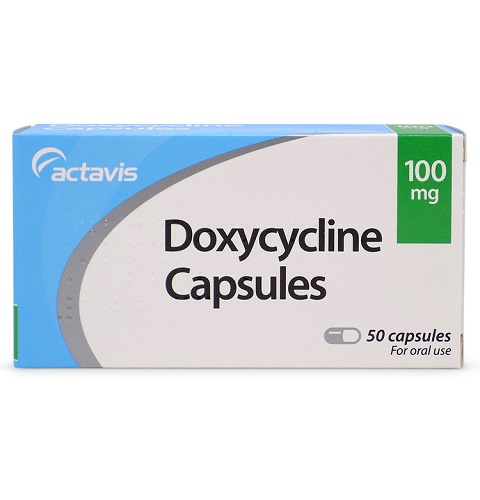
| Name of the product | Doxycycline |
|---|---|
| Core chemical | Doxycycline (active antibiotic agent) |
| Main therapeutic uses | Infections caused by bacteria, including respiratory, urinary tract, skin, and sexually transmitted infections |
| Strengths available | 50 mg, 75 mg, 100 mg tablets/capsules |
| How quickly it starts working | Most notice improvement within 24–48 hours |
| How long it remains effective | Typically 12–24 hours per dose |
| How to take it | Usually once or twice daily, as directed by a healthcare provider |
| Food and drink advice | Best taken with a full glass of water; can be taken with food to reduce stomach upset |
| Prescription requirement in United States | Prescription only (FDA-regulated) |
Doxycycline: Clinical Guidance and Practical Insights for the United States
Doxycycline is a prescription antibiotic widely used in the United States to treat numerous bacterial infections. It is approved by the U.S. Food and Drug Administration (FDA) and available through licensed pharmacies nationwide. People turn to Doxycycline for conditions ranging from respiratory and skin infections to certain sexually transmitted diseases, trusting its proven effectiveness and regulatory oversight.
Facing a Bacterial Infection: You’re Far From Alone
Bacterial infections affect millions each year across the United States, disrupting daily life and often causing significant discomfort. According to the Centers for Disease Control and Prevention (CDC), in 2021, there were over 2.8 million antibiotic-resistant infections reported in the U.S. alone—highlighting not just the frequency of infections, but also the critical role effective antibiotics play in recovery (CDC, 2021). The CDC also recognizes Doxycycline as a first-line treatment for several common infections. Your concern is valid, and your search for a reliable solution is part of a journey countless others take each year. Thankfully, many bacterial infections are fully curable with timely and appropriate antibiotic therapy.
How Doxycycline Works: From Molecule to Recovery
Doxycycline belongs to the tetracycline family of antibiotics. Its primary action is to block bacteria from producing proteins they need to grow and multiply. Put simply, Doxycycline infiltrates bacterial cells and disables their internal assembly line, preventing them from creating vital components. This interruption stops the infection from spreading further in your body, allowing your immune system to clear out what’s left. Most people start to feel better within two days of beginning treatment, but it is essential to complete the full course to ensure all bacteria are eliminated and to avoid resistance.
- For the patient: This means fever may drop, pain or discharge may lessen, and other symptoms ease as the bacteria lose strength.
- On a biological level: Unlike antibiotics that directly kill bacteria, Doxycycline puts them in a state where they can’t reproduce. This gentler mechanism often means fewer immediate side effects for users compared to more aggressive agents, though the effect is just as clinically meaningful.
Is Doxycycline the Right Choice for You? Life Situations and Selection Criteria
| Your situation | Is Doxycycline suitable? | Explanation |
|---|---|---|
| You have been diagnosed with a respiratory, skin, urinary, or tick-borne infection, and your healthcare provider recommends Doxycycline. | Yes | Doxycycline is first-line therapy for these infections due to its broad efficacy and manageable side-effect profile. |
| You are allergic to penicillin or other beta-lactam antibiotics. | Often yes | Doxycycline is structurally distinct from penicillins, making it a preferred alternative for those with such allergies. |
| You are pregnant, breastfeeding, or a child under 8 years old. | No | Doxycycline can affect bone and tooth development in fetuses and young children; alternative antibiotics are usually recommended. |
| You have a history of liver disease or are taking certain medications that interact with Doxycycline. | Sometimes no | Some medications (e.g., specific antiepileptics, anticoagulants) and liver impairment may require different antibiotics or close monitoring. |
| You need treatment for a confirmed or suspected viral infection (like cold or flu). | No | Doxycycline, like all antibiotics, does not treat viral illnesses. Using it improperly can cause resistance and side effects. |
In summary, Doxycycline is a strong option for many bacterial infections but not universally appropriate. Specific health conditions, age, pregnancy status, and other medications play an important role in determining if it’s a fit. Discuss all medical history and current medications with your healthcare provider for personalized guidance.
Practical Tips for Taking Doxycycline in Real Life
- Timing: Take Doxycycline at the same time(s) each day, with a full glass of water. This helps maximize absorption and reduces the risk of irritation in the esophagus.
- Food: Though it can be taken with food to minimize stomach upset, avoid taking it with dairy products, antacids, or supplements containing calcium, magnesium, aluminum, or iron within two hours of your dose; these reduce its effectiveness.
- Missed dose: If you miss a dose, take it as soon as you remember. If it’s almost time for your next dose, skip the missed one—do not double up. Consistency is more important than catching up.
- If symptoms don’t improve: Most people notice relief within 48 hours. If your symptoms remain the same or worsen after 3 days of consistent use, contact your healthcare provider for reassessment—sometimes, a different approach or diagnostic test is needed.
- After treatment: Complete the entire course, even if you feel better. Stopping early can allow bacteria to persist, leading to recurrence or resistance.
- Unusual reactions: If you develop severe headache, blurred vision, persistent vomiting, or signs of an allergic reaction (difficulty breathing, swelling of lips or throat), stop taking Doxycycline and seek immediate medical attention.
Remember, taking Doxycycline correctly ensures both the best possible outcome for your infection and helps prevent the rise of drug-resistant bacteria—a growing public health concern according to the CDC.
Who Should Not Take Doxycycline? Understanding Contraindications
Doxycycline is generally safe, but there are clear situations in which it should be avoided because of potential harm:
- Pregnancy and breastfeeding: Doxycycline can pass into fetal and infant tissues, potentially causing tooth discoloration and affecting bone growth. It is contraindicated in pregnancy and nursing unless no alternatives exist.
- Children under 8 years old: The medication can cause permanent tooth discoloration and inhibit bone development, so it is not recommended for young children except in life-threatening infections when no other treatment is suitable.
- Known allergy to Doxycycline or related antibiotics: Any history of serious reactions makes use of this medication unsafe.
- Severe liver impairment: Because Doxycycline is processed by the liver, patients with significant hepatic dysfunction may not safely metabolize the drug.
In all these situations, the risk of harm outweighs the potential benefits, and a healthcare provider will recommend alternative therapies.
Possible Side Effects: What to Expect, What to Watch For
Most people tolerate Doxycycline well, but like all antibiotics, it can cause side effects. The most common are mild and resolve on their own:
- Digestive issues: Nausea, diarrhea, or stomach discomfort (these may improve with food, but do not take with dairy)
- Photosensitivity: Increased sensitivity to sunburn; use sun protection and avoid prolonged sun exposure during treatment
- Mild headache: Typically passes without intervention
More rarely, Doxycycline can cause:
- Severe allergic reactions: Swelling, difficulty breathing, or hives. These symptoms require immediate medical care.
- Intracranial hypertension: Severe headache, vision changes—uncommon, but stop Doxycycline and seek prompt evaluation if you experience these.
- Persistent or bloody diarrhea: May signal a more serious intestinal condition; inform your doctor promptly.
If you experience signs of a serious allergic reaction or difficulty breathing, call 911 or seek emergency help. For poison control, the Poison Help line in the United States is 1-800-222-1222.
Medication Interactions: Which Combinations to Avoid
Doxycycline can interact with several other substances, which may reduce its efficacy or increase the risk of side effects. Important interactions include:
- Antacids and supplements: Products containing calcium, magnesium, aluminum, or iron can bind Doxycycline and lower its absorption. Space these at least two hours apart from your medication.
- Blood thinners (warfarin): Doxycycline can increase the effect of warfarin, raising bleeding risk. Dose adjustments and closer monitoring may be needed.
- Anti-seizure medications (phenytoin, carbamazepine, barbiturates): These can accelerate the elimination of Doxycycline, making it less effective.
- Oral contraceptives: Limited evidence suggests Doxycycline may reduce the effectiveness of birth control pills—consider a backup contraceptive during treatment.
Always inform your healthcare provider and pharmacist about every medication and supplement you use, including over-the-counter and herbal products, to avoid preventable interactions.
Comparing Doxycycline with Other Antibiotics: Honest Alternatives
| Antibiotic | Common uses | When preferred | Key limitations |
|---|---|---|---|
| Doxycycline | Respiratory, skin, urinary tract, tick-borne, some STIs | When broad coverage is needed, or in penicillin-allergic patients | Not suitable for pregnant women/young children; may cause photosensitivity |
| Amoxicillin | Ear, throat, respiratory, dental, urinary infections | Preferred when infection is known to be caused by susceptible bacteria, safe in pregnancy/children | Ineffective against resistant strains; cannot use in penicillin allergy |
| Azithromycin | Respiratory, some STIs, skin, soft tissue infections | Short course, better tolerated; safe in pregnancy | Increasing resistance; may not work for all infections |
| Ciprofloxacin | Urinary tract, some GI and respiratory infections | Useful for resistant or complicated infections | More side effects; restricted use in children, pregnancy |
Doxycycline is effective in most bacterial infections for which it is prescribed, especially if you cannot take penicillins or need broad-spectrum coverage. However, for pregnant women, young children, or those with certain health conditions, other antibiotics may be safer. Your provider will choose the option best matched to your infection and circumstances.
What You Will Actually Pay: The Full Cost Breakdown in the United States
| Cost item | Amount (USD) | Note |
|---|---|---|
| Doctor visit / Telemedicine consult | $0–$200 | Varies by insurance, in-person vs online, and region |
| Prescription fee (if not included) | $10–$25 | Some pharmacies/telehealth platforms charge this separately |
| Doxycycline (30-tablet, 100 mg) | $8–$40 | Generic versions, uninsured price; insurance copays can be lower |
| Delivery to home | $0–$15 | Depends on the pharmacy and speed of shipping |
| Total | $8–$280 | Range: with/without insurance, online/offline, generic/brand |
Most patients pay on the lower end of the range if they have insurance or use generic options. Telemedicine can reduce visit costs, and some online pharmacies offer free delivery for eligible prescriptions. Always verify that the pharmacy is licensed and that you are receiving FDA-approved Doxycycline. In the U.S., a prescription is legally required, though some online services may facilitate this after an online consultation.
Remaining Questions: What If My Infection Comes Back?
Recurrence of infection after successful treatment can happen, especially if the full course was not completed or if the original bacteria were resistant. If your symptoms return, do not self-treat with leftover antibiotics. Instead, consult your healthcare provider for a reassessment—sometimes, a different antibiotic or further tests are needed. Repeated or persistent infections should always prompt a professional evaluation, as they may signal an underlying health condition or incorrect initial diagnosis.


