
No products in the cart.

- Home/
- Buy Prednisolone Without Prescription in the United States Online
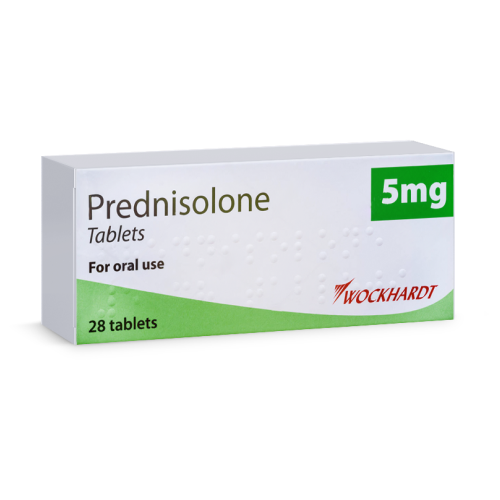
Prednisolone is a prescription medication widely used in the United States to treat many types of inflammation, from serious autoimmune flare-ups to stubborn asthma. What matters most before starting Prednisolone: balancing its powerful ability to control inflammation with the reality of side effects—especially when used for more than a few days. Every patient’s experience is different, and the right dose, duration, and monitoring plan depend on your specific condition, history, and risk factors.
Why Prednisolone Comes Up When Inflammation Gets Personal
The prescription pad slides across the doctor’s desk. For many Americans, that’s how the conversation about Prednisolone begins. It’s not usually the first treatment tried, but it often becomes the crossroads: the moment when inflammation is serious enough that over-the-counter remedies, NSAIDs, or non-drug strategies just aren’t doing the job.
Maybe it’s the sudden swelling in your joints that makes each step a negotiation. Or the asthma that tightens its grip, refusing to yield to inhalers. Sometimes it’s an immune system misfire—lupus, vasculitis, severe allergic reaction—turning your own biology into the enemy. Whatever brings Prednisolone to the table, the unspoken question is always the same: Is this the right tool for me, right now?
Clinical Insight: Prednisolone is the default oral corticosteroid in the US for a reason—it’s effective, relatively affordable, and familiar to nearly every clinician managing serious inflammation. But that familiarity is a double-edged sword: patients often underestimate just how much the details (dose, duration, underlying risk) matter to their outcomes.
- Not just for one disease: Prednisolone’s reach is broad—rheumatoid arthritis, asthma, ulcerative colitis, allergies, and more. Its use signals that inflammation has become more than a nuisance.
- Short courses vs. long haul: The experience of a five-day burst for poison ivy is nothing like taking Prednisolone for months to control autoimmune disease. Most side effect horror stories come from long-term, high-dose use—not the short tapers prescribed for flares.
- What you “think you know” might be outdated: A lot has changed since the days when steroids were handed out for anything inflamed. Guidelines are stricter, monitoring is tighter, and so are insurance formularies.
Understanding what Prednisolone can—and cannot—do in your body is the first step toward using it wisely. This article unpacks those trade-offs, so you can walk into your next appointment equipped to ask the right questions and avoid common pitfalls.
Who Actually Benefits from Prednisolone?
Not every patient with inflammation will see Prednisolone on their prescription list. So how does a doctor decide when it’s the right move? The answer depends on the nature, location, and urgency of your inflammation—as well as your personal risk profile.
Key Decision Point:
Prednisolone is generally reserved for inflammation that is severe, not responding to other treatments, or immediately dangerous (such as severe asthma attacks or autoimmune flares).
- Acute emergencies: Prednisolone (sometimes in IV form as methylprednisolone) is critical when immediate control of inflammation is life-saving—think asthma exacerbations, severe allergic reactions, or acute flare-ups of autoimmune disease.
- Chronic inflammatory diseases: For conditions like rheumatoid arthritis or ulcerative colitis, Prednisolone is often a bridge—controlling symptoms while waiting for slower-acting medications (like methotrexate or biologics) to take effect.
- Allergic and dermatologic conditions: Sometimes short courses are used for stubborn rashes, hives, or medication reactions when topical treatments have failed.
- Not first-line for mild problems: Most common aches, minor rashes, or mild allergies will not benefit from Prednisolone and should be managed with less risky options first.
The decision to use Prednisolone is never one-size-fits-all. Physicians weigh not just the diagnosis, but also age, other chronic conditions (like diabetes or osteoporosis), infection risk, and the likelihood of side effects based on previous experience.
Doctor’s Perspective: “I reach for Prednisolone when a patient’s inflammation is threatening organ function or quality of life, and nothing else acts fast enough. But I always start with the patient’s goals—are we trying to break a flare, buy time for another drug, or is this truly a last resort? The answer shapes everything that follows.”
How Prednisolone Fights Inflammation—And What That Means Day to Day
Prednisolone works by turning down the body’s immune response—hard. It’s not a subtle effect: within hours to days, swelling and pain can drop, breathing can ease, and rashes can recede. Patients often describe it as “flipping a switch.” But that switch comes with consequences, and understanding the mechanism helps make sense of both the benefits and the risks.
- Glucocorticoid Action
- Prednisolone mimics natural cortisol, binding to steroid receptors in cells. This blocks the release of inflammatory substances (cytokines, prostaglandins, etc.) that drive redness, heat, swelling, and pain.
- Systemic Impact
- The effect is body-wide, not targeted. That means inflammation is suppressed wherever it occurs—but so is the immune system’s ability to fight infection and heal wounds.
- Speed of Relief
- Most people feel better within 24-48 hours of starting Prednisolone for acute inflammation. Chronic conditions may need longer courses, with benefits sometimes showing gradually.
What does this feel like day to day? Relief is often rapid, but side effects can appear just as quickly—especially with high doses. Sleep may be disrupted, appetite often increases, and mood can swing. Blood sugar climbs, and for some, fluid retention makes joints feel puffy even as pain drops away.
Clinical Tip:
Take Prednisolone in the morning if possible. This mimics your body’s natural cortisol rhythm and can reduce insomnia and some side effects.
For patients who have never experienced the “steroid surge,” it can be both a relief and a surprise. Energy might spike, and aches that lingered for weeks can vanish overnight. But not everyone gets a honeymoon—some struggle with anxiety, insomnia, or GI symptoms from day one.
Prednisolone Dosing: Why It’s Rarely One-Size-Fits-All
Dosing Prednisolone isn’t about a simple milligram count—it’s about indication, severity, patient weight, age, and risk profile. The right dose for a young adult with severe asthma is not the same as for an older patient managing autoimmune arthritis.
| Condition | Usual Starting Dose | Common Duration | Taper Needed? |
|---|---|---|---|
| Asthma exacerbation | 40-60 mg daily | 5-10 days | No (short course) |
| Rheumatoid arthritis flare | 10-20 mg daily | 1-2 weeks | Often yes, especially if >10 days |
| Ulcerative colitis severe flare | 40-60 mg daily | 2-4 weeks | Yes, taper slowly |
| Allergic reactions | 10-40 mg daily | 3-7 days | Usually no if ≤7 days |
What does this mean for you? Most short courses (<2 weeks) do not require a careful taper—your physician will advise. Long-term or higher-dose regimens almost always need a slow dose reduction to prevent adrenal suppression and withdrawal symptoms.
- Pediatric dosing is weight-based and must follow strict guidelines—never use adult doses for children without a specialist’s input.
- Special considerations: Liver or kidney disease, diabetes, osteoporosis, and infection risk may all change your ideal dose or require enhanced monitoring.
Warning:
Never stop long-term Prednisolone abruptly without medical supervision. Sudden withdrawal can cause adrenal crisis, a potentially life-threatening emergency.
Which Side Effects Matter Most with Prednisolone—And When to Act
The double-edged nature of Prednisolone becomes clear quickly: the same action that quiets inflammation can stir up a host of side effects. Some are merely uncomfortable; others are dangerous if ignored. The trick is knowing which is which—and what to expect based on your dose and treatment length.
Did you know?
Up to 90% of patients on high-dose or long-term Prednisolone will experience at least one side effect, but most short courses cause only mild, temporary issues. [Mayo Clinic]
- Mood and sleep: Anxiety, insomnia, or even euphoria can appear within days. Rarely, patients may experience confusion or hallucinations—report these immediately.
- Blood sugar: People with or without diabetes can develop high blood sugar (hyperglycemia). If you have diabetes, expect close glucose monitoring and possible medication adjustments.
- Infections: Prednisolone suppresses the immune system, increasing risk for bacterial, viral, and fungal infections—sometimes with subtle symptoms.
- GI symptoms: Nausea and stomach upset can emerge, and rare cases of peptic ulcers or GI bleeding have been reported, especially when combined with NSAIDs.
- Long-term side effects: Osteoporosis, cataracts, glaucoma, muscle weakness, thin skin, and delayed wound healing develop mostly with months of continuous use.
| Side Effect | Frequency | When to Contact a Doctor |
|---|---|---|
| Mood swings / Insomnia | Common (10-40%) | If severe, lasting more than several days, or causing distress |
| High blood sugar | Common (esp. in diabetics) | If blood sugar remains high or you feel confused, very thirsty, or urinate often |
| Infection (fever, cough, sores) | Increased risk | Any signs of infection—do not wait for symptoms to worsen |
| Stomach pain or black stools | Uncommon | Immediately—possible GI bleed |
| Vision changes | Rare | If sudden or severe—risk of glaucoma or cataract |
| Muscle weakness | Long-term use | If sudden, severe, or affecting daily function |
Interpretation: Most side effects reverse when Prednisolone is tapered or stopped. The risks climb with higher doses and longer duration, and are magnified in older adults or anyone with chronic health issues. If you are on Prednisolone for more than two weeks, your doctor will likely monitor your blood pressure, blood sugar, and other labs.
Practical Tip:
If you experience new fever, cough, or wound that isn’t healing, let your physician know immediately—these could be infection signals your body can’t fight as well while on Prednisolone.
When Prednisolone Isn’t the Right Choice: Contraindications and Clinical Nuance
Absolute Contraindications
- Active, uncontrolled systemic infection (especially fungal, tuberculosis, or sepsis). Prednisolone can make these life-threatening.
- Known hypersensitivity to Prednisolone or any of its excipients—rare, but a hard stop.
Relative Contraindications
- Uncontrolled diabetes: Prednisolone spikes blood sugar levels. If your diabetes is brittle or poorly managed, alternatives may be safer.
- Severe osteoporosis or history of fractures: Prolonged use dramatically increases fracture risk.
- Active peptic ulcer disease: Risk of bleeding increases when Prednisolone is combined with NSAIDs or anticoagulants.
- Unstable psychiatric conditions: High doses can worsen mood disorders or trigger psychosis in vulnerable patients.
- Pregnancy: Use only if benefits clearly outweigh risks—discuss in detail with your provider.
- Children and adolescents: Risks to growth and development mean Prednisolone is used sparingly and under close supervision.
Clinical Context: For most relative contraindications, Prednisolone can still be used if no safer alternative exists, but only with heightened monitoring and specialist input.
If you fall into any of these categories, your doctor will spend more time reviewing the risks and may request additional labs or consultations before prescribing Prednisolone. Never try to “push through” a course of steroids if you develop any warning signs above—let your provider know immediately.
Prednisolone vs. Other Anti-Inflammatory Medications: A Practical Comparison
Deciding between Prednisolone and its alternatives isn’t about loyalty to one drug—it’s about matching the tool to the job, the patient, and the moment. Here’s how Prednisolone stacks up against other common anti-inflammatory options in the United States.
| Medication | Mechanism | Onset of Effect | Best For | Major Risks | Prescription Needed? | Typical Cost (US)* |
|---|---|---|---|---|---|---|
| Prednisolone | Systemic glucocorticoid (oral) | 24-48 hours | Severe, acute, or refractory inflammation | Immunosuppression, hyperglycemia, osteoporosis | Yes | Low-moderate (generic available) |
| Ibuprofen (NSAID) | COX inhibitor (oral) | Within hours | Mild-moderate pain/swelling, short-term use | GI bleed, kidney injury (high dose/long term) | No (OTC) | Low (OTC) |
| Methotrexate | Antimetabolite (weekly oral/injectable) | 4-8 weeks | Chronic autoimmune/inflammatory conditions | Liver toxicity, lung injury, birth defects | Yes | Low-moderate (generic) |
| Biologics (e.g., adalimumab) | Monoclonal antibody (injectable) | 2-8 weeks | Severe autoimmune conditions unresponsive to standard therapy | Serious infection risk, injection reactions | Yes | Very high (insurance-dependent) |
- Interpretation for Patients: Prednisolone acts fast and powerfully but is often reserved for short-term rescue or as a bridge to slower-acting treatments. NSAIDs are first-line for milder symptoms, but won’t touch severe flares. Methotrexate and biologics are for chronic disease modification and require careful monitoring.
Insurance Note:
In the US, Prednisolone is covered by almost all insurance plans and is generally inexpensive as a generic. Biologics, by contrast, may require prior authorization and carry high out-of-pocket costs unless covered.
The real art in managing inflammation is sequencing these medications: Prednisolone for speed, others for durability and safety. Your physician’s choice is always about what gets you better with the least risk possible.
Getting Prednisolone in the United States: Access, Cost, and What to Expect at the Pharmacy
In the United States, Prednisolone is only available by prescription. You’ll find it at virtually every community pharmacy, and most insurance plans cover generic versions with a standard co-pay. But getting the prescription is where the complexity often lies.
- Prescription required: US law restricts Prednisolone to prescription use. Refills are usually limited—your doctor will specify the total amount and number of refills, often requiring follow-up for chronic use.
- Generic vs. brand: Most patients receive generic Prednisolone, which is equivalent to brand-name versions in efficacy and safety. If you’re prescribed a “brand necessary” version, your insurance may require a prior authorization.
- Formulations: Prednisolone comes as tablets, oral solution (especially for children), and rarely, injectable forms for hospital use. Doses and concentrations vary; always check the label before each dose.
- Pharmacy counseling: Pharmacists in the US routinely review dosing, timing, and side effects at pickup—take advantage of this moment to clarify any concerns.
Cost Context:
For most insured patients, a course of generic Prednisolone costs less than $10. Uninsured patients may pay $20–$40 for a standard course, but prices vary by pharmacy chain and region.
If you have Medicare or Medicaid, Prednisolone is nearly always covered, but some plans may require step therapy (trying other medications first) for chronic use. Large retailers and membership pharmacies sometimes offer generic Prednisolone at further reduced prices.
Online pharmacies are an option, but in the US, a valid prescription is still mandatory—even for telehealth services. Be wary of any site offering Prednisolone without a prescription; this is illegal and risky.
Frequently Asked Questions About Prednisolone in the US
- Does Prednisolone cause weight gain even on a short course?
- For most patients taking a short course (under two weeks), any weight gain is usually minimal and typically due to water retention, not actual fat gain. Longer courses or repeated use increase the risk of significant weight changes.
- Can I drink alcohol while on Prednisolone?
- Moderate alcohol consumption is not strictly prohibited, but excessive drinking increases the risk of stomach ulcers and GI bleeding, especially when combined with steroids. Ask your doctor if you have liver or GI concerns.
- Will Prednisolone affect my blood pressure?
- Prednisolone can cause fluid retention, which may raise blood pressure, particularly with higher doses or in patients with existing hypertension. Your doctor may check your blood pressure before and during treatment.
- How soon should I expect to feel better after starting Prednisolone?
- Many patients notice symptom improvement within 24 to 48 hours, particularly for asthma attacks or severe flares. More chronic issues may take days to weeks for full benefit.
- Do I need to take Prednisolone with food?
- Yes, taking Prednisolone with food can help reduce stomach irritation and nausea. If you have a history of ulcers, discuss additional preventive measures with your physician.
- Is it safe to get vaccines while on Prednisolone?
- Most inactivated vaccines are safe, but live vaccines may need to be postponed if you are on moderate to high doses of Prednisolone. Always check with your healthcare provider before getting vaccinated.
- What should I do if I miss a dose?
- If you realize soon after, take the missed dose as soon as possible. If it’s almost time for your next dose, skip the missed dose—do not double up. Notify your doctor if you miss multiple doses, especially on long-term therapy.
References
- Food and Drug Administration (FDA)
- Prednisolone (Oral Route) – Patient Information, Mayo Clinic
- American College of Rheumatology Guideline for the Management of Rheumatoid Arthritis, 2021
- Centers for Disease Control and Prevention (CDC)
- PubMed
- Prednisolone Prescribing Information, Various Manufacturers, 2023
- National Institute of Arthritis and Musculoskeletal and Skin Diseases (NIAMS)
- U.S. Department of Health and Human Services, Guidance on Corticosteroid Use in Inflammatory Disorders


