
No products in the cart.

- Home/
- Buy Seroquel Online in the United States Fast and Secure Ordering
This article is for informational purposes only. Medication use is only possible after consultation with a doctor. Self-medication can be dangerous and may result in serious health risks.
Seroquel (Quetiapine) in the United States: The Ultimate Patient & Clinician Guide (2026 Edition)
Is a prescription required for Seroquel in the United States?
No, it is not legal to buy Seroquel (Quetiapine) without a valid prescription from a licensed healthcare provider in the United States. Seroquel is classified as a prescription-only medication regulated by the U.S. Food and Drug Administration (FDA). Purchasing without a prescription is both illegal and unsafe.
Key Takeaways: Seroquel at a Glance (2026)
- Active Ingredient: Quetiapine fumarate
- Prescription Status: Requires a valid U.S. prescription
- Main Uses: Schizophrenia, bipolar disorder (mania/depression), adjunct in major depressive disorder
- Onset of Action: Typically within 1–1.5 hours after oral administration
- Main Contraindications: Known hypersensitivity, severe liver impairment, certain cardiac conditions
- FDA Warnings: Black Box Warning for increased mortality in elderly with dementia-related psychosis; risk of suicidal thoughts in young people
- Available Forms: Immediate-release and extended-release tablets; generics widely available
- Typical Price (2026): $15–$25 per month for generics (with insurance/copay); up to $300/month for brand Seroquel without insurance
How does Seroquel work in the body?
Seroquel (quetiapine) is classified as an atypical antipsychotic. Its primary action is as an antagonist at multiple neurotransmitter receptors in the brain. Most notably, it:
- Blocks dopamine D2 receptors, which reduces psychotic symptoms
- Antagonizes serotonin 5-HT2A receptors, which helps with mood stabilization and reduces movement side effects
- Has affinity for histamine H1 and adrenergic alpha-1 receptors, contributing to sedative effects and potential for low blood pressure
This “multi-receptor” activity means Seroquel is not limited to treating psychosis; it also impacts mood, sleep, and anxiety pathways. The immediate-release form is rapidly absorbed, while the extended-release version provides steadier blood levels.
Metaphor: Imagine Seroquel as a “circuit breaker” that helps calm overactive brain signaling, allowing for better mood and thought regulation, but sometimes dimming the lights more than desired.
Its effects do not depend on food or external triggers; it acts based on blood concentration after ingestion.
References: FDA Label, PubMed: New insights into quetiapine pharmacology, 2023
Expert Commentary from doctor
In my clinical practice, patients often underestimate the sedative effect of Seroquel, especially at lower doses used for sleep or anxiety. One common pitfall is increasing the dose for faster results without understanding that higher doses are not always better—side effects can quickly outweigh benefits. I also see many patients stop the medication abruptly when they feel better, leading to withdrawal symptoms or relapse. It’s vital to titrate both up and down carefully and to communicate any new symptoms, like restlessness or abnormal heart rhythms, to your healthcare provider immediately. Regular follow-up, especially during the first weeks, can catch side effects before they become serious.
How is Seroquel taken? Dosage and Administration
Seroquel dosing varies based on the condition, age, and formulation. Always follow your doctor’s individualized instructions. General guidance for adults:
- Schizophrenia (adults): Starting at 50 mg twice daily (immediate-release) or 300 mg once daily (extended-release), titrated up; typical range 300–800 mg/day.
- Bipolar mania/depression: Initial 50–100 mg/day, increased to 400–800 mg/day; some use lower doses for depression adjunct (50–300 mg).
- Major depressive disorder (adjunct): Often 50–300 mg at bedtime.
- Maximum daily dose: 800 mg/day (for adults). Exceeding this can cause toxicity.
Special Populations:
- Elderly: Start lower (25–50 mg/day), titrate slowly, monitor for sedation and low blood pressure.
- Liver impairment: Use with caution; start at reduced doses.
- Adolescents: Dosing is individualized; pediatric use is more limited and closely monitored.
Tablet splitting: Only split if the tablet is scored and your pharmacist confirms it’s safe. Extended-release tablets must not be cut, chewed, or crushed.
Peak effect: 1–2 hours after taking (immediate-release); may take several days for full symptom control. The extended-release form provides steady coverage over 24 hours.
Note: Sudden discontinuation can lead to withdrawal symptoms or symptom recurrence.
Seroquel: Food, Alcohol, and Lifestyle Interactions
- Food
- May be taken with or without food. High-fat meals can delay absorption of immediate-release tablets slightly (by about 30 minutes), but does not significantly reduce effectiveness.
- Alcohol
- Strictly avoid alcohol while taking Seroquel. Combining can increase sedation, risk of respiratory depression, and impair judgment or coordination. There is no “safe” amount; even one drink can amplify effects.
- Grapefruit juice
- Not recommended. Grapefruit can inhibit CYP3A4 enzymes, increasing Seroquel blood levels—raising the risk of side effects such as dizziness or heart rhythm abnormalities.
- Caffeine
- No direct interaction, but excessive intake may worsen insomnia or anxiety, counteracting Seroquel’s calming effect.
- Other substances
- Illicit drugs, sedating antihistamines, or opioid painkillers greatly increase risk of harmful sedation or respiratory depression.
Myth vs Reality: “A glass of wine is safe while on Seroquel.” Reality: Even small amounts of alcohol can dangerously potentiate Seroquel’s sedative effects.
Who should NOT take Seroquel? Contraindications and Cautions
| Type | Condition | Explanation |
|---|---|---|
| Absolute | Allergy to quetiapine or excipients | Risk of severe allergic reaction (anaphylaxis) |
| Absolute | Concurrent use with CYP3A4 inhibitors (e.g., ketoconazole, clarithromycin) | Can lead to toxic blood levels of Seroquel |
| Absolute | History of neuroleptic malignant syndrome (NMS) | Risk of life-threatening recurrence |
| Absolute | Severe liver impairment | Impaired metabolism increases toxicity risk |
| Relative | Cardiac arrhythmias, prolonged QT interval | Increased risk of dangerous heart rhythms |
| Relative | Uncontrolled epilepsy | May lower seizure threshold |
| Relative | Diabetes, obesity, or metabolic syndrome | Can worsen blood sugar and lipid levels |
| Relative | Elderly with dementia | Increases risk of death, stroke (per FDA Black Box Warning) |
After a heart attack, Seroquel may only be considered under close medical supervision, typically after cardiac stabilization (often weeks to months, depending on severity).
What side effects are most common with Seroquel?
| Frequency | Side Effect | Explanation/Action |
|---|---|---|
| Very Common (>10%) | Drowsiness, dry mouth, dizziness | Try taking at night; report if interfering with daily life |
| Common (1–10%) | Weight gain, increased appetite | Monitor diet, exercise, regular weight checks |
| Common | Constipation, rapid heartbeat | Stay hydrated, report palpitations |
| Less Common (0.1–1%) | Restlessness (akathisia), tremor | Contact doctor if persistent |
| Rare (<0.1%) | Severe low blood pressure, seizures, high blood sugar (hyperglycemia) | Seek prompt medical attention |
| Very Rare | Neuroleptic malignant syndrome (high fever, muscle rigidity), tardive dyskinesia (involuntary movements), priapism (painful erection) | Stop medication immediately and seek emergency care |
What to do if side effects occur: Mild symptoms often improve as your body adjusts. Severe or persistent symptoms should be reported to your clinician immediately. For signs of allergic reaction (rash, facial swelling, breathing difficulty), call 911 or seek emergency help.
Common Patient Mistakes Observed by doctor
- Stopping Seroquel abruptly: Sudden discontinuation may cause withdrawal symptoms (nausea, insomnia, agitation) or relapse of symptoms. Solution: Always taper under medical supervision.
- Self-adjusting the dose: Increasing or decreasing without consulting your provider can lead to side effects or inadequate control. Solution: Communicate any concerns before making changes.
- Taking with alcohol or illicit substances: This can cause excessive sedation, confusion, or serious health risks. Solution: Avoid all non-prescribed substances.
- Misinterpreting sedation as a “side effect to avoid”: Some drowsiness is expected, especially at the start or lower doses for sleep. Solution: Discuss timing and possible dose adjustments with your doctor.
- Ignoring weight gain or blood sugar increases: Seroquel can worsen metabolic risk. Solution: Monitor weight and blood sugar regularly and adjust diet/exercise.
- Buying from unverified sources: Counterfeit or substandard products can be dangerous. Solution: Only purchase from licensed U.S. pharmacies with a prescription.
How does Seroquel compare to alternatives?
| Medication | Main Uses | Onset Speed | Duration | Common Side Effects | Cost/month (2026, US$) |
|---|---|---|---|---|---|
| Seroquel (Quetiapine) | Schizophrenia, bipolar, depression adjunct | 1–1.5 hours | 8–12 hours (IR) / 24h (XR) | Drowsiness, weight gain, metabolic changes | $15–$25 (generic); $250–$300 (brand) |
| Risperdal (Risperidone) | Schizophrenia, bipolar, irritability in autism | 1–2 hours | 24 hours (once daily) | Movement disorders, weight gain, high prolactin | $10–$20 (generic); $200–$250 (brand) |
| Zyprexa (Olanzapine) | Schizophrenia, bipolar | 1–2 hours | 24 hours | Marked weight gain, sleepiness | $12–$25 (generic); $225–$275 (brand) |
| Abilify (Aripiprazole) | Schizophrenia, bipolar, depression adjunct | 3–5 hours | 24 hours | Restlessness, insomnia, less weight gain | $18–$30 (generic); $350–$400 (brand) |
Bottom line: Seroquel is less likely than some alternatives to cause movement disorders, but more likely to cause sedation and weight gain. Generics for all these medications are widely available and much less expensive than brand names.
Questions Frequently Asked to doctor
- 1. What should I do if I miss a dose of Seroquel?
- If it’s only been a few hours, take it as soon as you remember. If it’s close to your next dose, skip the missed dose—do not double up. Staying on a regular schedule is key to effectiveness.
- 2. Can Seroquel be stopped suddenly?
- No. Abrupt cessation can cause withdrawal symptoms and recurrence of psychiatric symptoms. Always taper under your doctor’s supervision.
- 3. Is it safe to take Seroquel long-term?
- Seroquel can be taken long-term if needed, but requires regular monitoring for metabolic, cardiovascular, and movement-related side effects. Your doctor will assess risks and benefits at each visit.
- 4. Can Seroquel interact with my heart medicine?
- Some heart medications (especially those affecting heart rhythm) can interact with Seroquel. Always provide your full medication list to your physician and pharmacist before starting Seroquel.
- 5. Will Seroquel make me gain weight?
- Weight gain is common, especially over months of use. Proactive lifestyle measures and routine monitoring can help reduce this risk. Some patients find alternatives if weight gain is problematic.
- 6. Is Seroquel safe during pregnancy or breastfeeding?
- Use in pregnancy is only recommended if benefits clearly outweigh risks. Seroquel passes into breast milk; discuss risks and alternatives with your provider if you are pregnant or breastfeeding.
- 7. How soon will I feel better after starting Seroquel?
- Some people notice better sleep or less agitation within days. Full improvement in mood or psychotic symptoms may take several weeks. Keep in close contact with your care team during the initial period.
Key Characteristics Table: Seroquel Quick Facts
| Parameter | Value |
|---|---|
| Active ingredient | Quetiapine fumarate |
| Tablet strengths | 25, 50, 100, 200, 300, 400 mg (IR & XR) |
| Standard adult dose | 300–800 mg/day (divided or once daily XR) |
| Onset of action | 1–1.5 hours |
| Duration of effect | 8–12 hours (IR), 24 hours (XR) |
| Metabolism | Liver (CYP3A4 enzyme) |
| Elimination half-life | 6–7 hours (slightly longer in elderly) |
| Generic available? | Yes |
| Usual price/month (2026) | $15–$25 (generic), up to $300 (brand) |
| Prescription required | Yes |
How do I obtain Seroquel legally in the United States?
- Step 1: Medical evaluation – Schedule an appointment with a licensed U.S. healthcare provider (psychiatrist, primary care, or via telehealth) to discuss your symptoms and history.
- Step 2: Diagnosis and treatment plan – If Seroquel is indicated, your provider will issue a prescription tailored to your diagnosis and risk profile.
- Step 3: Prescription fulfillment – Take your prescription to a licensed U.S. pharmacy (chain, independent, or verified online pharmacy). If using telemedicine, the prescription can often be sent electronically.
- Step 4: Pharmacy counseling – Pharmacists are required to provide medication counseling regarding use, interactions, and side effects. Be sure to ask questions.
- Step 5: Ongoing follow-up – Regularly check in with your prescriber for monitoring, refills, and dose adjustments.
Insurance note: Most major insurers cover generic quetiapine as a Tier 1 or 2 medication (lower copay). Medicaid and Medicare Part D plans usually include it on their formularies.
Is it legal to get Seroquel online in the United States?
You may legally obtain Seroquel through licensed U.S. online pharmacies or telehealth services, but only with a valid prescription. U.S. law prohibits importation from non-U.S. websites and purchasing from “no prescription required” sellers, which are often linked to counterfeit or unsafe products. The National Association of Boards of Pharmacy (NABP) lists verified safe online pharmacies (NABP).
Look for the .pharmacy domain or the VIPPS (Verified Internet Pharmacy Practice Sites) seal. Suspiciously low prices are a red flag for counterfeits.
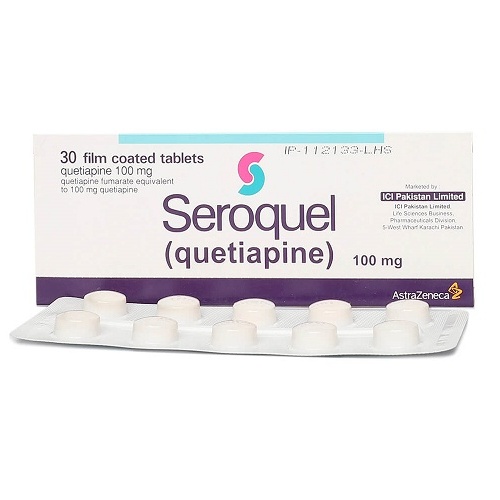
How can I identify genuine Seroquel and avoid counterfeits?
- Packaging: U.S. Seroquel comes in blister packs or bottles with tamper-proof seals. Check for the manufacturer’s name (AstraZeneca or generic company), lot number, and expiration date.
- Pill appearance: Tablets are typically round or oblong (color varies by strength), stamped with a code. Extended-release tablets are often marked “XR.”
- Labeling: U.S. products use clear fonts, English labeling, and required FDA statements.
- Security features: Some manufacturers use QR codes or holograms; scan these for verification if present.
- Pharmacy receipt: You should always receive a printout with your name, prescription details, and licensed pharmacy information.
- Price too good to be true? Be skeptical—counterfeiters often lure with deep discounts.
Generics vs. Counterfeits: Generics are FDA-approved, equivalent in active ingredient and effects; counterfeits are illegal and potentially harmful. If in doubt, ask your pharmacist.
Compatibility Check: Can Seroquel be taken with other medications?
| Medication/Product | Can Combine? | Potential Consequences |
|---|---|---|
| Acetaminophen (Tylenol) | Yes | No significant interaction |
| SSRIs (e.g., fluoxetine) | With caution | May increase side effect risk (serotonin syndrome, sedation) |
| Benzodiazepines (e.g., lorazepam) | With caution | Enhanced sedation; respiratory risk |
| Strong CYP3A4 inhibitors (ketoconazole, clarithromycin) | NO | Can dangerously raise Seroquel levels |
| Alcohol | NO | Severe sedation, respiratory depression, impaired judgment |
| Oral contraceptives | Yes | No significant direct interaction |
| Insulin/oral diabetes meds | Monitor | Blood sugar may rise, adjust dose if needed |
| Herbal supplements | With caution | St. John’s Wort may reduce Seroquel efficacy |
Pharmacokinetics: How is Seroquel metabolized and eliminated?
Seroquel is metabolized primarily by the liver enzyme CYP3A4. After oral ingestion, peak blood concentration occurs within 1–1.5 hours (immediate-release) or 5 hours (extended-release). Its average half-life is 6–7 hours.
- Metabolism: Mainly hepatic (liver). Reduced function increases drug accumulation.
- Elimination: Excreted in urine (73%) and feces (20%) as inactive metabolites.
- Implication: People with liver disease may require dose reduction; kidney impairment has a lesser effect.
Pharmacodynamic note: Seroquel crosses the blood-brain barrier, accounting for its central nervous system effects.
Special Populations: Seroquel in Elderly, Children, Pregnancy, and Driving
- Elderly: Increased sensitivity, risk of sedation, falls, and cardiovascular events. Start at lowest effective dose, titrate slowly, frequent monitoring.
- Children/Adolescents: Used selectively for schizophrenia and bipolar disorder in adolescents (ages 13–17), but requires specialist oversight. Not approved for children under 10.
- Pregnancy: Category C (2026): Use only if benefits outweigh risks. Some risk of withdrawal or movement disorders in newborns if used in third trimester. Discuss with OB-GYN and psychiatrist.
- Breastfeeding: Quetiapine passes into breast milk. Not generally recommended unless benefits justify risks.
- Driving/Operating Machinery: Seroquel may impair alertness and coordination, especially during initiation and dose increases. Do not drive or use dangerous tools until you know your reaction.
- Fertility: No direct evidence of infertility, but menstrual irregularities and sexual dysfunction possible.
Generics vs. Original Seroquel: What’s the Difference?
Generics: Contain the same active ingredient (quetiapine fumarate) and must demonstrate bioequivalence to the branded product. FDA standards require generics to match the original in efficacy, safety, and quality.
- Excipients: Inactive ingredients (binders, colorants) may differ. Rare allergic reactions can occur; check if you have known sensitivities.
- Price: Generics are much less expensive ($15–$25/month vs. $250–$300 for brand).
- Packaging: Slight differences in appearance, but same labeling standards.
- Effectiveness: No clinically meaningful differences have been found in U.S. trials (FDA).
Bottom line: For most patients, generics are a cost-effective, reliable alternative. If you notice any unusual reactions after switching, inform your pharmacist or doctor.
What to do in case of Seroquel overdose?
- Stop taking Seroquel immediately.
- Call emergency services (911) or go to the nearest emergency department. Have the medication bottle and the amount ingested ready to show.
- Inform healthcare professionals about all substances taken, including alcohol and other medications.
- Do not try to induce vomiting unless instructed by medical personnel.
- If you are with someone who overdosed, stay with them and monitor breathing until help arrives.
Symptoms of overdose: Extreme drowsiness, rapid heartbeat, low blood pressure, seizures, delirium, or loss of consciousness. Fatalities are rare but possible, especially with large amounts or other central nervous system depressants.
A Note on Mental Health: You Are Not Alone
Living with mental health challenges is common, and seeking help is a sign of strength—not weakness. Many people benefit from a combination of medication, therapy, and support from loved ones. If Seroquel alone is not enough, talk to your healthcare provider about counseling, support groups, or additional resources. Recovery is possible and manageable with the right support.
Professional Opinion of doctor
In my experience, Seroquel is most beneficial for individuals with schizophrenia, bipolar disorder, or those who have not found relief with other treatments for depression. Its versatility—helping with psychosis, mood swings, and insomnia—makes it a tool I frequently use. However, the risk of weight gain, sedation, and metabolic effects means it’s not ideal for everyone, particularly those with diabetes or cardiovascular risk. I always balance the therapeutic benefit against the long-term side effects and discuss alternatives like risperidone or aripiprazole when appropriate. For those who respond well, Seroquel can be life-changing, but close monitoring and an individualized approach are crucial. If the initial response is poor or side effects are intolerable, switching to another medication or combining with non-drug therapies is often preferable.
Frequently Asked Questions (FAQ)
- Can Seroquel be used daily?
- Yes, Seroquel is typically prescribed for daily use, often in one or two divided doses, depending on the formulation and treatment plan.
- How quickly does Seroquel start working?
- Drowsiness and calming effects can begin within hours, but full benefits for mood or psychosis may take 1–3 weeks.
- Do I need a prescription to buy Seroquel in the United States?
- Yes, a prescription from a licensed U.S. healthcare provider is required by law.
- Is it safe to order Seroquel online?
- Only through licensed U.S. pharmacies with a prescription; avoid sites that offer it without a prescription due to the risk of counterfeits and legal consequences.
- What is the main risk of Seroquel?
- Common risks include sedation and weight gain; rare but serious risks are heart rhythm changes and metabolic syndrome. Regular monitoring is required.
- Can Seroquel be used to help with sleep?
- Although sometimes prescribed off-label for insomnia, this is not its primary FDA-approved indication and should be discussed with your doctor due to side effect risks.
- Does insurance cover Seroquel?
- Most insurance plans cover generic quetiapine; check your formulary or ask your pharmacist for details.
- What should I do if I experience side effects?
- Contact your healthcare provider for guidance. Severe symptoms (chest pain, high fever, severe rash) require emergency attention.
- Can children take Seroquel?
- Use in children is limited and specialist-guided. Approved for certain conditions in adolescents but not in younger children.
References
- U.S. Food and Drug Administration – Seroquel Label (2023). https://www.accessdata.fda.gov/drugsatfda_docs/label/2023/020639s091lbl.pdf
- National Library of Medicine, PubMed: New insights into quetiapine pharmacology (2023). https://pubmed.ncbi.nlm.nih.gov/35794212/
- Mayo Clinic – Quetiapine (Oral Route). https://www.mayoclinic.org/drugs-supplements/quetiapine-oral-route/description/drg-20066912
- FDA – Generic Drug Facts. https://www.fda.gov/drugs/generic-drugs/generic-drug-facts
- National Alliance on Mental Illness (NAMI) – Quetiapine (Seroquel). https://www.nami.org/About-Mental-Illness/Treatments/Mental-Health-Medications/Types-of-Medication/Quetiapine-(Seroquel)
- National Association of Boards of Pharmacy – Safe Online Pharmacies. https://nabp.pharmacy/programs/dotpharmacy/
- ClinicalTrials.gov – Quetiapine Studies. https://clinicaltrials.gov/
- World Health Organization – Essential Medicines List (Quetiapine). https://www.who.int/publications/i/item/WHO-MHP-HPS-EML-2023.01


