
No products in the cart.

- Home/
- Buy Antabuse in Online Pharmacy in the United States
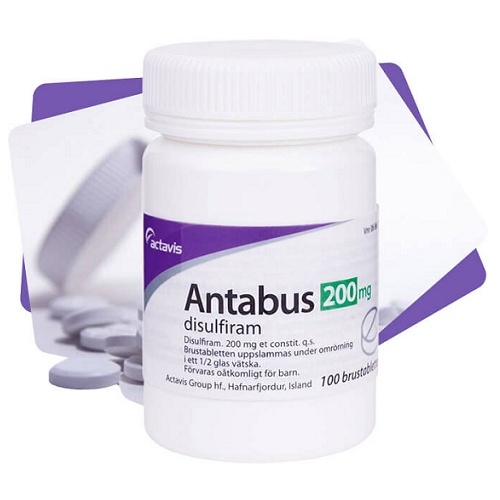
| Product Name | Antabuse |
|---|---|
| Main Substance | Disulfiram |
| Intended Use | Assistance in managing Alcohol Dependence |
| Common Strengths | 250 mg, 500 mg oral tablets |
| How Fast It Works | Within 1–2 hours of ingestion |
| Active Effect Duration | Up to 1–2 weeks after last dose |
| Prescription Required in United States? | Yes, as per FDA regulations |
| Average Price Range (U.S.) | $60–$110 for 30 tablets (varies by pharmacy and location) |
Antabuse (Disulfiram) for Alcohol Dependence: Guidance for United States
Antabuse, with the active ingredient disulfiram, is a long-established medication used to support individuals seeking to stop drinking alcohol. It is legally available in the United States with a doctor’s prescription and is regulated for safety by the U.S. Food and Drug Administration (FDA). Antabuse is not a cure for alcoholism, but a specific tool to aid recovery where other approaches may have failed or need reinforcement.
Alcohol Dependence: Understanding the Scope of the Problem
Alcohol dependence is a chronic, relapsing condition affecting millions across the United States. According to the National Institute on Alcohol Abuse and Alcoholism (NIAAA), approximately 29.5 million people aged 12 and older met criteria for Alcohol Use Disorder in 2021 (NIAAA, 2023). This is not a sign of weakness or a personal failing—it is a widely recognized medical and psychological challenge. Many people hesitate to seek help due to stigma or fear of judgment, but the existence of multiple evidence-based treatments demonstrates this is a treatable condition, not a life sentence. Treatment options, including medications like Antabuse, behavioral therapy, and peer support, have enabled many to regain control over their lives.
How Antabuse Supports Recovery from Alcohol Dependence
Antabuse works by creating a distinct physical barrier to drinking alcohol. When you take disulfiram, it blocks the enzyme aldehyde dehydrogenase. Normally, this enzyme breaks down acetaldehyde—a toxic byproduct produced when your body metabolizes alcohol. Blocking this step causes acetaldehyde to build up rapidly if you consume alcohol, leading to unpleasant effects: flushing, throbbing headache, nausea, vomiting, sweating, rapid heartbeat, and sometimes a drop in blood pressure. This is called the “disulfiram-ethanol reaction.”
- For the patient: If you drink alcohol while Antabuse is active in your system, symptoms can begin within 10–30 minutes and last several hours—sometimes longer. You do not need to drink much to trigger these effects; even small amounts of alcohol, including hidden sources like some sauces, mouthwashes, or medicines, can cause a reaction.
- Practical meaning: Antabuse does not reduce cravings directly. Instead, it acts as a strong deterrent—making the decision to drink carry immediate consequences. For many, this psychological safety net supports abstinence, especially during periods of high relapse risk.
Though the medication’s effect lasts for days after the last dose, consistent daily use is generally recommended to sustain protection. Unlike some other medications for Alcohol Dependence, Antabuse’s impact is entirely tied to its interaction with alcohol metabolism, not to brain chemistry or mood.
Is Antabuse Right for You? Matching Choices to Real-Life Scenarios
| Your Situation | Is Antabuse Suitable? | Why / Why Not |
|---|---|---|
| You are highly motivated to stay abstinent but struggle with impulsive drinking in social situations. | Often YES | Antabuse adds a strong deterrent, helping you resist sudden temptations by creating immediate, unpleasant consequences if you drink. |
| You have liver disease, a history of psychosis, or severe heart problems. | NO | Antabuse is contraindicated due to risk of serious side effects or worsening of your underlying condition. |
| You are seeking a medication that reduces cravings or can be started while still drinking. | Probably NOT | Medications like naltrexone or acamprosate may be more appropriate, as Antabuse does not affect cravings and requires you to be alcohol-free before starting. |
| You need a daily routine and external accountability (supervised dosing). | YES, with support | Antabuse is most effective when taken with a support person or in a structured treatment program. |
| You are pregnant or planning to become pregnant. | NO | Safety in pregnancy has not been established; alternative approaches are preferred. |
These scenarios illustrate that Antabuse is best suited for adults committed to abstinence, without significant medical contraindications, and who value a clear external barrier to drinking. It is not a fit for everyone—especially those with certain health conditions or who need help with cravings rather than deterrence. If your situation is complex or you are unsure, a qualified addiction specialist can help match you to the safest and most effective treatment.
Practical Guidance: Taking Antabuse in Everyday Life
- Starting: Antabuse is typically begun after at least 12 hours of alcohol abstinence; otherwise, a reaction may occur. The most common starting dose is 250 mg once daily, but your doctor may adjust this.
- When to take: Take at the same time each day, preferably in the morning. Taking with or after food may reduce stomach upset.
- Alcohol avoidance: Even trace amounts of alcohol can trigger a reaction. Check all labels—mouthwashes, cough syrups, sauces, vinegars, and aftershaves may contain hidden alcohol.
- If you miss a dose: Take it as soon as you remember, unless it is almost time for your next dose. Do not double up. If you’ve missed more than 2 days, consult your doctor before restarting—it may be necessary to re-establish abstinence first.
- If you drink alcohol while on Antabuse: Reactions range from uncomfortable to dangerous. If you experience severe symptoms (difficulty breathing, chest pain, fainting), seek emergency medical help immediately (see side effects section for emergency contact).
- If Antabuse “isn’t working”: If you find yourself at risk of drinking despite taking the medication, discuss this with your provider. Adjustments to your treatment plan—including behavioral therapy or a different medication—may be appropriate.
Many people benefit from supervised dosing (by family, clinician, or at a treatment center), which can support adherence and accountability. Regular follow-up with a healthcare provider is strongly recommended for safety monitoring, especially in the first months of treatment.
Who Should NOT Take Antabuse: Contraindications Explained
- Severe liver disease: Disulfiram is processed by the liver; impaired liver function increases risk of toxicity and liver failure.
- Recent alcohol consumption: Starting Antabuse while alcohol is still in your system can provoke a severe reaction; abstain for 12 hours or more before the first dose.
- History of psychosis or severe mental illness: Because Antabuse may worsen psychiatric symptoms or interact with medications for these conditions.
- Severe heart disease: The medication can lower blood pressure or disrupt heart rhythm, posing a risk for those with existing cardiac conditions.
- Pregnancy and breastfeeding: Safety is not established; alternative treatments are recommended.
- Known allergy to disulfiram or similar compounds: Taking Antabuse can cause severe allergic reactions in these cases.
These are absolute contraindications. If you have other health issues or are taking multiple medications, your provider will evaluate the relative risks and benefits. Never start or stop Antabuse on your own.
Possible Side Effects: What’s Common, What’s Rare, and What’s Dangerous
- Frequently reported: Drowsiness, headache, skin rash, metallic or garlic-like taste, mild gastrointestinal upset. These symptoms are generally mild and resolve as your body adapts.
- Less common but important: Peripheral neuropathy (numbness or tingling in hands/feet), changes in liver function tests, visual disturbances. If you notice these, inform your healthcare provider promptly.
- Rare but serious: Severe liver inflammation (hepatitis), jaundice, allergic reactions (swelling of face, lips, tongue), severe confusion, psychosis.
- In case of severe reaction to alcohol (disulfiram-ethanol reaction): If you develop chest pain, rapid drop in blood pressure, difficulty breathing, fainting, or seizures after drinking alcohol while on Antabuse, this is a medical emergency. Call 911 (United States emergency services) or go to the nearest emergency room immediately.
If you suspect overdose (such as taking large amounts of Antabuse) or if someone is unconscious after a suspected reaction, seek help from the Poison Help line at 1-800-222-1222 (U.S. Poison Control Center).
Interactions with Other Medications and Substances
- Metronidazole (antibiotic): Combining with Antabuse can cause confusion, psychosis, or other neurological symptoms—avoid this combination.
- Some antidepressants, anticoagulants (like warfarin), and seizure medications: Disulfiram may alter how these drugs are metabolized, requiring dose adjustments or extra monitoring.
- Caffeine and theophylline: Effects may be prolonged or intensified if taken with Antabuse.
- Alcohol-containing products: Even non-beverage products (cough syrups, mouthwash) can trigger a reaction. Always read labels and ask your pharmacist when in doubt.
To minimize risk, provide your provider and pharmacist with a full list of your medications and over-the-counter products. Do not start new prescription or non-prescription products without consulting your healthcare team.
How Does Antabuse Compare? Alternatives and Their Places in Treatment
| Medication | Main Action | Best For | Limitations |
|---|---|---|---|
| Antabuse (Disulfiram) | Blocks alcohol metabolism, causes deterrent reaction if alcohol is consumed | People committed to abstinence, needing a strong external barrier | Does not reduce cravings; not suitable for all medical conditions; requires complete avoidance of alcohol |
| Naltrexone | Blocks opioid receptors, reduces reward from drinking | Individuals seeking to reduce heavy drinking or cravings | Not suitable if you use opioids; may not deter impulsive drinking |
| Acamprosate | Stabilizes brain chemistry disrupted by alcohol withdrawal | Maintaining abstinence after detox, especially with high craving | Requires twice-daily dosing; not effective for all; cannot be used in severe kidney disease |
| Behavioral therapies (CBT, group programs) | Addresses habits, thought patterns, triggers | All individuals with Alcohol Dependence | May need to be combined with medication for best results; requires active participation |
Antabuse is most effective for those who are abstinent and want a “guaranteed consequence” as support. For those who continue to have strong cravings or are not ready to stop drinking completely, other medications or therapy-first approaches may be preferred. There is no single best answer for everyone, and many people try more than one strategy before finding what works long-term.
What You Will Actually Pay for Antabuse Treatment in United States
| Item | Estimated Cost (USD) | Additional Details |
|---|---|---|
| Initial doctor consultation | $100–$250 | In-person or telemedicine, may be covered by insurance |
| Prescription fee (if not included in consultation) | $0–$25 | Varies by provider and pharmacy |
| Antabuse medication (30 x 250mg tablets) | $60–$110 | Generic disulfiram; price varies by pharmacy and location |
| Delivery (if ordering online) | $10–$25 | Standard shipping, price varies |
| Total | $170–$410 | First month, with all common costs included |
Ongoing monthly medication costs after the first month are usually just the price of the tablets ($60–$110), unless additional doctor visits are needed. Prices at brick-and-mortar pharmacies can differ from online services. Some insurance plans may offset part of the cost—check with your provider. Larger quantities may further reduce per-tablet prices, but require a valid prescription, which is mandatory for legal purchase in the United States.
Final Points: What Else Should You Know Before Deciding?
Antabuse is a tool—not a solution in itself. Motivation, support, and a structured treatment plan increase its effectiveness. If you’re worried about how to talk with your doctor about Antabuse, be open about your goals and any past challenges. The FDA’s approval ensures that Antabuse sold in the United States meets safety and quality standards. However, if you purchase online, always verify the source is a licensed U.S. pharmacy. Unregulated sources may sell counterfeit or substandard medication, which can be dangerous and is illegal.
If you have additional health conditions, are on other medications, or have questions about integrating Antabuse into your life, these are best discussed with a healthcare provider specializing in addiction medicine. Honest conversations help tailor the safest and most effective plan for you. Remember that recovery is a process—setbacks are not failures, and every step forward is significant.


