
No products in the cart.

- Home/
- Buy Zithromax Without Prescription in the United States Online
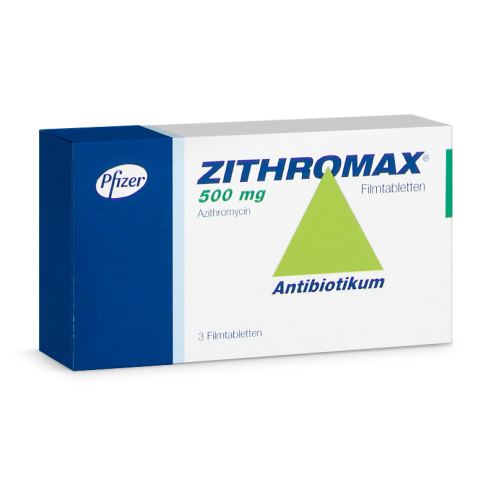
Zithromax (Azithromycin) in the United States: Comprehensive Clinical Guide 2026
Summary: Key Facts About Zithromax (Azithromycin) in the United States
- Active Ingredient: Azithromycin
- Drug Class: Macrolide antibiotic
- Prescription Status (U.S.): Requires a valid prescription from a licensed healthcare provider
- Main Uses: Bacterial infections (respiratory tract, skin, ear, sexually transmitted infections, some GI infections)
- Onset of Action: Typically within 24-72 hours of starting therapy
- Most Common Side Effects: Diarrhea, nausea, abdominal pain
- Absolute Contraindication: History of hypersensitivity to azithromycin or other macrolides
- Legal Purchase: Only from licensed (FDA-regulated) pharmacies with a prescription
- Formulations Available (U.S.): Tablets, oral suspension, intravenous (hospital use)
Can You Obtain Zithromax Without a Prescription in the United States?
No, it is illegal to purchase Zithromax (azithromycin) without a prescription in the United States. The Food and Drug Administration (FDA) requires a valid prescription for all systemic antibiotics, including Zithromax. Attempting to buy antibiotics without a prescription can result in legal consequences and significant health risks, including exposure to counterfeit drugs.
How Does Zithromax Work? Mechanism of Action Explained
Zithromax contains azithromycin, a macrolide antibiotic. It works by inhibiting bacterial protein synthesis. Azithromycin binds to the 50S ribosomal subunit of susceptible bacteria, blocking the translocation steps in protein synthesis. This prevents bacteria from growing and replicating, allowing the body’s immune system to eliminate the infection.
Metaphor: Think of Zithromax as a “lock” on the bacterial machinery—bacteria can’t build their essential components, so they eventually die off.
Azithromycin has a unique pharmacokinetic profile among macrolides: it accumulates in tissues (especially phagocytes) and maintains therapeutic levels at infection sites for several days. Unlike some antibiotics, its effectiveness is not dependent on the time of day or the presence of food (see next section for details).
Note: Zithromax is ineffective against viral infections (such as the common cold or flu).
Zithromax Dosage Instructions: How and When to Take It
| Indication | Standard Dosage | Duration | Maximum Daily Dose |
|---|---|---|---|
| Community-acquired pneumonia, sinusitis | 500 mg on day 1, then 250 mg once daily on days 2-5 | 5 days | 500 mg |
| Pharyngitis, tonsillitis | 500 mg day 1, then 250 mg days 2-5 | 5 days | 500 mg |
| Uncomplicated urethritis/cervicitis (e.g., chlamydia) | 1,000 mg as a single dose | 1 day | 1,000 mg (single dose) |
| Skin/soft tissue infections | 500 mg day 1, then 250 mg days 2-5 | 5 days | 500 mg |
Important:
- Never exceed the maximum recommended daily dose (usually 500 mg, except for certain single-dose regimens).
- Dosage may require adjustment in patients with severe liver impairment.
- Zithromax tablets should be swallowed whole; do not crush or split unless advised by your healthcare provider.
- Pediatric dosing is weight-based; consult your pediatrician for accurate instructions.
Peak effect: Most patients experience clinical improvement within 24–72 hours of starting therapy. Complete the full course, even if you feel better earlier, to prevent antibiotic resistance.
Interactions with Food, Alcohol, and Lifestyle Factors
- Food:
- Zithromax can be taken with or without food. Taking it with food may reduce gastrointestinal side effects (e.g., stomach upset), but does not significantly impact absorption.
- Alcohol:
- Moderate alcohol intake is not strictly contraindicated but is not recommended during antibiotic therapy. Alcohol may worsen side effects (such as nausea, dizziness) and impair immune function.
- Grapefruit Juice:
- No clinically significant interaction has been documented with grapefruit juice, unlike some other antibiotics.
- Other Drugs:
- See Compatibility Checklist below.
Bottom line: Take Zithromax at the same time each day. Avoid excessive alcohol. Ask your provider about interactions if you are on multiple medications.
Contraindications: Who Should Not Take Zithromax?
Absolute Contraindications
- History of allergic reaction (anaphylaxis, angioedema, severe rash) to azithromycin, erythromycin, clarithromycin, or any macrolide antibiotic
- Severe hepatic (liver) dysfunction (e.g., jaundice or hepatitis related to prior azithromycin use)
- Use with certain medications (e.g., pimozide, ergot derivatives)
Relative Contraindications (Use with Caution)
- Prolonged QT interval (risk for life-threatening arrhythmias)
- Electrolyte disturbances (hypokalemia, hypomagnesemia)
- Pre-existing cardiac disease (arrhythmias, heart failure)
- Concurrent use with drugs that prolong QT interval (e.g., amiodarone, sotalol)
- Renal impairment (dose adjustment may be needed)
- Pregnancy and breastfeeding: use only if clearly needed and prescribed
Explanation: Azithromycin may increase the risk of arrhythmias in susceptible individuals by prolonging cardiac repolarization (QT interval). Severe liver injury can occur, especially in patients with prior reactions to macrolides.
Myth vs. Reality: Myth: Zithromax is safe for everyone. Reality: Serious risks exist for patients with heart or liver conditions.
What Are the Most Common and Serious Side Effects?
Side Effects by Frequency (per WHO Classification)
- Very Common (>10%):
- Diarrhea
- Common (1–10%):
- Nausea
- Abdominal pain, cramping
- Headache
- Vomiting
- Uncommon (0.1–1%):
- Dizziness
- Fatigue
- Rash
- Rare (0.01–0.1%):
- Liver enzyme elevations
- Serious allergic reactions (angioedema, anaphylaxis)
- Photosensitivity
- Very Rare (<0.01%):
- QT prolongation/Torsades de Pointes (life-threatening arrhythmia)
- Stevens-Johnson syndrome (severe skin reaction)
If you experience:
- Difficulty breathing, facial or throat swelling — seek emergency care immediately
- Severe skin rash, blistering, or peeling — stop medication and contact your doctor
- Palpitations or fainting — call 911
Most side effects are mild and resolve after stopping the drug. Diarrhea is typically due to disruption of normal gut flora.
Zithromax vs. Other Antibiotics: How Does It Compare?
| Feature | Zithromax (Azithromycin) | Amoxicillin | Doxycycline |
|---|---|---|---|
| Onset of Action | 24-72 hours | 24-48 hours | 24-72 hours |
| Duration of Effect | Long (tissue accumulation allows once-daily or short-course dosing) | Short to moderate (requires 2–3 doses/day) | Moderate (once or twice daily) |
| Common Side Effects | Diarrhea, nausea | Rash, GI upset | Photosensitivity, nausea |
| Cost (U.S., generic) | $$ (Moderate) | $ (Low) | $ (Low) |
| Pregnancy Category | B (generally safe) | B | D (not recommended) |
| Major Contraindication | QT prolongation | Penicillin allergy | Pregnancy |
| Bacterial Coverage | Broad (respiratory, STIs, skin) | Narrow-moderate (mainly Gram-positive) | Broad (respiratory, tick-borne, STIs) |
What it can do: Zithromax offers convenient dosing and broad coverage, but carries rare cardiac risks and is not a first choice for all infections. Always follow your provider’s guidance for the most appropriate antibiotic.
Zithromax: Key Characteristics Table
| Active ingredient | Azithromycin |
| Available forms | Tablets (250 mg, 500 mg), oral suspension, IV (hospital use) |
| Typical adult dose | 500 mg day 1, then 250 mg days 2–5 |
| Onset of action | 24–72 hours |
| Half-life (adults) | ~68 hours |
| Prescription required (U.S.) | Yes |
| Reimbursement/insurance | Often covered by insurance; copay varies |
| Storage conditions | Room temperature (68–77°F or 20–25°C), away from moisture |
How to Obtain Zithromax Legally in the United States: Step-by-Step Guide
- Consult a healthcare provider: Schedule an in-person or telemedicine appointment with a board-certified physician, physician assistant, or nurse practitioner licensed in your state.
- Undergo Evaluation: Your provider will assess your symptoms, medical history, and—if appropriate—order laboratory or diagnostic tests to confirm the need for antibiotics.
- Receive Prescription: If indicated, the provider will send an electronic prescription to a licensed pharmacy of your choice (local or mail-order).
- Pick Up Medication: Present a valid government-issued ID at the pharmacy to receive your medication. For mail-order, confirm the pharmacy’s NABP (National Association of Boards of Pharmacy) accreditation.
- Follow all instructions: Take the medication as prescribed, complete the full course, and report any side effects to your provider.
Note: It is illegal and dangerous to obtain Zithromax from sources that do not require a prescription.
Legal Guide: Online Purchases, Prescription Requirements, and FDA Regulations
In the United States, the FDA regulates all antibiotic sales. Zithromax may only be dispensed by licensed pharmacies upon receipt of a valid prescription. It is a federal offense to import, sell, or buy antibiotics without following FDA and state regulations.
- Online pharmacies: Only use verified U.S. pharmacies displaying the NABP “.pharmacy” seal or listed in the FDA’s BeSafeRx database.
- Mail order delivery: Legal only when shipped from a U.S.-licensed pharmacy with a prescription on file.
- Imported “generic” or “international” Zithromax: Not permitted for personal use by U.S. law; may be seized by Customs and Border Protection.
Risks of bypassing prescription requirements: Counterfeit products, wrong dosage, lack of medical oversight, possible legal penalties.
Prescription = Protection: Requirement ensures you receive the correct drug, dose, and guidance for your safety.
How to Identify Counterfeit Zithromax and Understand Generics
Counterfeit antibiotics are a growing threat in the United States. Original Zithromax (by Pfizer or authorized manufacturers) comes in clearly labeled blisters or bottles with a printed lot number, expiration date, and tamper-evident seal.
- Packaging: U.S. packaging includes FDA-approved labeling, manufacturer information, and pharmacy dispensing label.
- Pill appearance: Zithromax tablets are usually oblong, marked “Pfizer” or a generic manufacturer’s code, and are white to off-white.
- Unusually low price: A key warning sign—counterfeits are often sold far below U.S. pharmacy prices.
- Origin: Avoid any product shipped from outside the U.S. unless sourced through a U.S.-licensed specialty pharmacy.
Generics Guide and Comparison
The patent for Zithromax expired in 2005. Multiple FDA-approved generics (azithromycin by Teva, Sandoz, etc.) are available. Generics contain the same active ingredient, dosage, and efficacy as the branded product, but may use different inactive ingredients (fillers, binders).
- Advantages of generics: Lower cost, widely covered by insurance, same clinical effect.
- Potential concerns: Rare allergic reactions to excipients; always notify your pharmacy of known ingredient allergies.
Bottom line: Buy only from FDA-licensed pharmacies. Generics are safe and effective if sourced properly.
Zithromax Quality Check: Authentic Appearance in the United States
- Tablet color/shape: White to off-white, oblong (500 mg), marked with “Pfizer” or generic code.
- Packaging: Blister packs or bottles with a tamper-evident seal, batch number, and expiration date visible.
- Label: FDA-mandated drug facts, unique NDC (National Drug Code) number, and U.S. pharmacy dispensing information sticker.
- Possible security features: QR code, hologram, or scannable lot verification (for some manufacturers).
- Always: Ask your pharmacist in New York, Los Angeles, Houston, or your local U.S. city to verify authenticity if in doubt.
Tip: If packaging or pill appearance differs from previous prescriptions, check with your pharmacist before taking the medication.
Compatibility Checklist: Zithromax and Other Medications
| Medication/Product | Can Be Combined? | Notes |
|---|---|---|
| Acetaminophen (Tylenol) | Yes | No significant interaction |
| Ibuprofen | Yes | Generally safe; monitor for GI upset |
| Oral contraceptives | Yes | No reduction in efficacy |
| Warfarin | Use with caution | May increase bleeding risk; requires monitoring |
| Amiodarone | STRICTLY NO | Risk of life-threatening arrhythmias |
| Pimozide | STRICTLY NO | Severe cardiac risk |
| Antacids (aluminum/magnesium) | Take 2 hours apart | Can reduce absorption of azithromycin |
| Alcohol (moderate) | Discouraged | May worsen GI side effects |
Always review your medication list with your doctor or pharmacist.
Special Patient Groups: Safety and Adjustments
- Children: Dosing is weight-based; safety established for most indications, but not for infants under 6 months.
- Older adults: Increased risk of cardiac arrhythmias, especially with other QT-prolonging drugs.
- Pregnancy: FDA Pregnancy Category B. No evidence of increased risk, but use only when clearly needed and prescribed.
- Breastfeeding: Azithromycin passes into breast milk; discuss risks and benefits with your provider.
- Liver or kidney disease: Dose adjustment may be needed; monitor for toxicity.
- Driving/Operating machinery: No known direct impairment, but dizziness or fatigue may occur.
- Fertility: No evidence of impact on male or female fertility in clinical data.
If you have multiple chronic conditions, always consult your provider before starting a new prescription.
Overdose: What to Do in an Emergency
- Stop taking Zithromax immediately.
- Call 911 or your local emergency number. If possible, bring the medication packaging with you.
- Report the exact dose and timing. Symptoms of overdose may include severe nausea, vomiting, diarrhea, and hearing loss.
- Do not attempt to induce vomiting unless instructed by medical personnel.
- Inform your healthcare team about all other medications you have taken.
Prompt medical attention is critical for overdose. There is no specific antidote for azithromycin overdose; treatment is supportive.
Addressing Psychological Concerns and Support
Remember, infection is not a sign of personal failure—it’s simply a medical condition. Many Americans feel anxiety or guilt when prescribed antibiotics, especially if they are unsure about their diagnosis or need. If you feel overwhelmed, talk openly with your doctor about your concerns. Discussing the experience with a trusted partner or friend is often helpful.
Bottom line: Seeking medical help is responsible and normal. Don’t hesitate to ask for clarification or support.
Frequently Asked Questions (FAQ)
- Can Zithromax treat COVID-19 or viral infections?
- No. Zithromax is only effective against certain bacterial infections. It does not treat viral illnesses such as COVID-19, the flu, or common cold.
- How quickly does Zithromax work?
- Most patients notice improvement within 24–72 hours after starting treatment, but always complete the full prescribed course.
- Is it safe to take Zithromax while pregnant?
- Zithromax is generally considered safe in pregnancy (Category B), but use only under a doctor’s guidance.
- Can I drink alcohol while taking Zithromax?
- Moderate alcohol is not strictly prohibited, but it may increase side effects such as stomach upset. Avoid excessive drinking.
- Is generic azithromycin as good as Zithromax?
- Yes, FDA-approved generics are equivalent in efficacy and safety when dispensed by a licensed U.S. pharmacy.
- Do I need to refrigerate Zithromax oral suspension?
- No, store at room temperature; do not refrigerate unless instructed by your pharmacist.
- What if I miss a dose?
- Take the missed dose as soon as you remember. If it’s close to your next dose, skip the missed dose and continue your regular schedule. Do not double up.
- How can I tell if my Zithromax is real?
- Check the packaging for U.S. pharmacy labeling, security seals, and manufacturer codes. If in doubt, ask your pharmacist for verification.
- Can I stop Zithromax early if I feel better?
- No, stopping early increases the risk of antibiotic resistance and relapse. Complete the full prescribed course.
References
- FDA Drug Database. Zithromax (azithromycin). https://www.accessdata.fda.gov/drugsatfda_docs/label/2025/050710s046lbl.pdf (Accessed 2026).
- National Institutes of Health (NIH). Azithromycin Drug Information. https://medlineplus.gov/druginfo/meds/a697037.html (Accessed 2026).
- Centers for Disease Control and Prevention (CDC). Outpatient Antibiotic Stewardship. https://www.cdc.gov/antibiotic-use/community/for-hcp/outpatient-stewardship.html (Accessed 2026).
- National Library of Medicine. Azithromycin: Mechanism and Clinical Use. https://pubmed.ncbi.nlm.nih.gov/34552251/ (Accessed 2025).
- Pfizer U.S. Zithromax Product Monograph. https://labeling.pfizer.com/ShowLabeling.aspx?id=529 (Accessed 2026).
- National Association of Boards of Pharmacy (NABP). Safe Pharmacy. https://safe.pharmacy (Accessed 2026).
- FDA. BeSafeRx Program. https://www.fda.gov/drugs/buying-medicines-over-internet/know-your-online-pharmacy (Accessed 2026).
- American Heart Association. Antibiotic Use and Cardiac Arrhythmias. https://www.heart.org/en/news/2024/03/15/antibiotics-and-arrhythmia-risks (Accessed 2026).
- CDC. Antibiotic Use in the United States, 2024. https://www.cdc.gov/antibiotic-use/data/index.html (Accessed 2026).


