
No products in the cart.

- Home/
- Buy Lasix at Low Price in the United States
Medical Disclaimer: This article is for informational purposes only. Medication use is only possible after consultation with a qualified healthcare professional. Never self-medicate—improper use of prescription medications like Lasix (furosemide) can be life-threatening.
Lasix (Furosemide) in the United States: The Essential Patient Guide for 2026
Can Lasix Be Purchased Without a Prescription in the United States?
No, purchasing Lasix (furosemide) without a valid prescription is illegal in the United States. All forms, including tablets and injectable solutions, require a prescription from a licensed healthcare provider, in accordance with U.S. Food and Drug Administration (FDA) regulations.
Key Takeaways: Lasix in Brief
| Attribute | Details |
|---|---|
| Active Ingredient | Furosemide |
| Main Use | Edema related to heart failure, liver disease, kidney dysfunction; high blood pressure (off-label) |
| Prescription Status | Prescription-only (RX-only) in U.S. |
| Onset of Action | Oral: 30-60 min; IV: 5 min |
| Maximal Effect | 1-2 hours (oral); 30 min (IV) |
| Absolute Contraindication | Allergy to sulfonamides or furosemide; severe hypovolemia |
| Very Common Side Effects | Frequent urination, low potassium, dehydration |
| Legal Purchase | Only with a valid prescription via licensed U.S. pharmacy |
Bottom line: Lasix is a potent prescription diuretic for managing edema, but improper use can cause serious harm. Always consult a healthcare provider.
How Does Lasix Work? Pharmacology & Biochemical Mechanism
Furosemide, the active ingredient in Lasix, is classified as a loop diuretic. Its primary action is to inhibit the Na+-K+-2Cl− symporter in the thick ascending limb of the loop of Henle in the kidneys. This blocks the reabsorption of sodium, chloride, and potassium, resulting in increased excretion of water, sodium, chloride, potassium, calcium, and magnesium.
By rapidly removing excess fluid from the bloodstream and tissues, Lasix relieves swelling (edema) associated with heart, liver, or kidney disease. It is also used (often off-label) to manage hypertension by reducing plasma volume.
Metaphor: If your body is like a sponge, Lasix “squeezes” it by making your kidneys dump extra water and salt. However, too much squeezing can dry you out dangerously.
- Does Lasix need triggers? No. It works as long as the kidneys are able to form urine, but is ineffective in severe kidney failure.
- Time to effect: Oral tablets start working in 30–60 minutes; IV form acts in 5 minutes.
- Caution: Lasix not only removes water but also vital electrolytes—especially potassium and magnesium.
Clinical Note: According to recent U.S. heart failure guidelines, loop diuretics like Lasix remain first-line for acute volume overload.
How to Take Lasix: Dosage, Timing & Duration in U.S. Clinical Practice
| Population | Starting Dose | Max Daily Dose |
|---|---|---|
| Adults (oral) | 20–80 mg once daily, adjusted as needed | 600 mg (rarely; typical max is 80–160 mg) |
| Adults (IV) | 20–40 mg; repeat in 2 hours if needed | 200 mg/day (hospitalized patients) |
| Children | 1–2 mg/kg (max 6 mg/kg) | 6 mg/kg/day |
| Elderly | Start at lowest effective dose | Case-by-case (renal function monitored) |
Important: Always follow your doctor’s instructions. Never exceed prescribed doses—the risk of electrolyte imbalance, kidney injury, and severe dehydration increases with higher doses.
- Take Lasix in the morning to avoid nighttime urination.
- Tablets can be split if scored; do not crush unless advised.
- Adjustments may be needed for people with liver, kidney, or heart issues.
- Monitor blood pressure and electrolytes regularly.
Peak Effect: Occurs about 1–2 hours after taking a dose. Duration of action is 6–8 hours (oral), 2 hours (IV).
Missed Dose: Take as soon as remembered, but skip if near next dose. Never double up.
Half-life: About 1–2 hours in people with normal kidney function. Longer in those with kidney/liver disease.
Lasix, Food, Alcohol, and Lifestyle: What You Need to Know
- Should I take Lasix with food?
- Lasix can be taken with or without food. Taking it with food may reduce stomach upset but may slightly delay absorption by 30–60 minutes.
- Can I drink alcohol with Lasix?
- No. Alcohol increases the risk of dehydration, low blood pressure, and fainting. Combining both can be dangerous.
- Are there foods to avoid?
- Avoid licorice root and high-salt foods, which counteract Lasix’s effects. No known interaction with grapefruit juice.
- Can I drive after taking Lasix?
- If you experience dizziness, weakness, or fainting, do not drive or operate machinery.
| Product/Drug | Can Combine? | Notes |
|---|---|---|
| NSAIDs (e.g., ibuprofen) | With caution | May blunt Lasix effect, monitor kidney function |
| ACE inhibitors | With caution | Monitor blood pressure, risk of kidney injury |
| Potassium supplements | Often needed | To prevent low potassium |
| Alcohol | NO | Increases risk of fainting |
| Digoxin | With caution | Risk of toxicity if potassium drops |
Who Should Not Take Lasix? Red Flags & Contraindications
-
Absolute contraindications:
- Known allergy to furosemide or sulfonamide-derived drugs
- Severe hypovolemia (dehydration)
- Anuria (no urine output due to kidney failure)
- Hepatic coma (acute liver failure state)
-
Relative contraindications (use with caution):
- Severe low blood pressure
- Significant electrolyte imbalances (esp. low potassium, sodium, magnesium, calcium)
- Pregnancy (risk assessment required)
- Gout (can worsen attacks)
- Ototoxic drugs (risk of hearing damage)
- Recent heart attack (may worsen hemodynamics)
Why? Lasix removes both fluid and electrolytes. In patients with unstable conditions, this can trigger arrhythmias, shock, or other life-threatening problems. Always check your labs before starting.
What Side Effects Are Most Common with Lasix?
Lasix is generally safe when used under medical supervision, but side effects can occur—even at standard doses.
-
Very Common (>1 in 10):
- Frequent urination
- Dehydration (thirst, dry mouth, headache)
- Low potassium (hypokalemia) — muscle cramps, weakness
-
Common (>1 in 100):
- Low sodium (hyponatremia)
- Low blood pressure (dizziness, fainting)
- Elevated blood sugar or uric acid
- Hearing disturbances (tinnitus)—especially with high doses or IV use
-
Rare (<1 in 1000):
- Severe allergic reactions (rash, hives, anaphylaxis)
- Pancreatitis
- Liver inflammation
-
Very rare (<1 in 10,000):
- Hearing loss (permanent with high doses)
- Aplastic anemia (bone marrow suppression)
What to do if you experience side effects:
- Mild symptoms: Contact your doctor for dose adjustment or lab monitoring.
- Severe reactions (fainting, muscle paralysis, rash, hearing loss): Stop taking Lasix and seek emergency care immediately.
Remember: Regular blood tests (electrolytes, kidney function) are essential for anyone on chronic Lasix therapy.
Lasix vs Alternatives: How Does It Stack Up?
| Drug | Class | Onset (oral) | Duration | Main Side Effects | Average Cost (per 40mg tablet)* |
|---|---|---|---|---|---|
| Lasix (furosemide) | Loop diuretic | 30–60 min | 6–8 hrs | Dehydration, low K+ | $0.10–$1.00 (generic) |
| Bumex (bumetanide) | Loop diuretic | 30–60 min | 4–6 hrs | Electrolyte loss | $0.60–$3.00 |
| Hydrochlorothiazide | Thiazide diuretic | 2 hrs | 6–12 hrs | Low sodium, high uric acid | $0.05–$0.40 |
| Torsemide | Loop diuretic | 30–60 min | 12–16 hrs | Dehydration, low K+ | $0.20–$2.50 |
*Prices reflect U.S. averages in 2025; insurance coverage may vary.
- Lasix is preferred for rapid, potent fluid removal; may need potassium supplementation.
- Hydrochlorothiazide often used for mild hypertension or less severe edema.
- Torsemide sometimes chosen for longer action or if Lasix isn’t effective.
What it can do: Lasix provides rapid, predictable diuresis for acute and chronic edema.
What it cannot do: Cure the underlying cause of fluid overload (e.g., heart failure); prevent recurrence if root cause persists.
Lasix: Key Characteristics Table
| Parameter | Value |
|---|---|
| Active Ingredient | Furosemide |
| Formulations | Tablets (20, 40, 80 mg), Solution (oral, IV) |
| Bioavailability (oral) | ~50% (variable) |
| Metabolism | Minimal (mainly excreted unchanged in urine) |
| Elimination Half-life | 1–2 hours (longer with kidney/liver disease) |
| Pregnancy Class (U.S.) | Category C (risk cannot be ruled out) |
| Controlled Substance? | No |
| Price Range (cash pay) | $5–$20/month (generic), $90–$200/month (brand) |
How to Legally Obtain Lasix in the United States: Step-by-Step
- Consult a Healthcare Provider: Schedule an in-person or telemedicine visit with a U.S.-licensed doctor (primary care, cardiology, nephrology, or internal medicine).
- Assessment & Diagnosis: Doctor evaluates your fluid status, blood pressure, kidney function, and underlying causes of edema.
- Prescription Issued: If indicated, your doctor will send an electronic prescription to a pharmacy of your choice. In the U.S., most states require e-prescriptions for controlled and high-risk medications.
- Choose an Accredited Pharmacy: You can fill your prescription at a brick-and-mortar pharmacy (e.g., Walgreens, CVS, Rite Aid) or a licensed online/mail-order pharmacy. Check for NABP accreditation.
- Pick Up or Arrange Delivery: Provide ID and insurance information if needed. For online/mail-order, verify pharmacy legitimacy before paying.
- Follow Up: Monitor your response and return for lab tests as instructed. Never adjust your dosage without medical guidance.
Myth vs. Reality: “Online pharmacies without a prescription are safer and cheaper.”
Reality: Unlicensed online sellers are illegal and often supply counterfeit or unsafe medications. U.S. law protects you by requiring prescriptions from licensed prescribers.
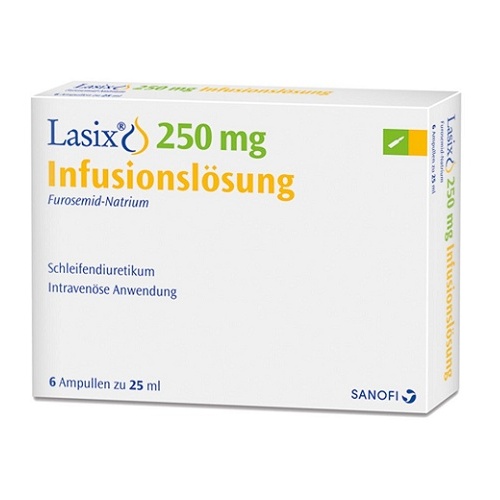
How to Spot Real Lasix vs Counterfeit: Authenticity & Generics
-
Original Lasix (brand):
- Manufacturer: Sanofi or its authorized subsidiaries in the U.S.
- Packaging: Blister packs or bottles labeled “Lasix” and “furosemide,” NDC (national drug code) present.
- Tablet: White, round, scored, with imprint (e.g., “LASIX 40”).
- Official seal, bar code, and, increasingly, QR code for verification.
-
Generics:
- Same active ingredient (furosemide), different inactive ingredients (excipients)—shape, size, or color may differ.
- Must be FDA-approved and dispensed by a U.S.-licensed pharmacy.
- Generics are as effective as brand Lasix, but allergic reactions to excipients are possible (ask your pharmacist if you have allergies).
-
Counterfeits:
- Poorly printed packaging, missing NDC, or unusual tablet color/shape.
- Unusually low price, lack of prescription requirement, or offers from unverified online sources.
- No QR or bar code verification, or codes that don’t match manufacturer records.
Tip: When in doubt, verify with your pharmacist and consult the FDA’s drug database.
Bottom line: Generic furosemide is equally effective and much cheaper than branded Lasix—choose the version your insurance covers, but only from a U.S.-licensed pharmacy.
Special Considerations: Lasix in Older Adults, Children, and Other Groups
- Older adults (>65 years): Start low, go slow. Dehydration and falls are more likely—monitor closely.
- Children: Dosing is weight-based. Use only under pediatric supervision. Risk of electrolyte disturbances is higher.
- Pregnancy: Category C—use only if benefits outweigh risks. May reduce placental blood flow; discuss with your OB/GYN.
- Breastfeeding: Small amounts pass into breast milk; may suppress lactation. Avoid unless essential.
- Kidney or liver impairment: Adjust dose and monitor labs more frequently.
- Driving and machinery: If dizziness or fainting occurs, do not drive.
- Fertility: No evidence that Lasix directly affects fertility, but severe electrolyte imbalances can indirectly impair reproductive function.
Empathy note: Edema is a common and manageable symptom—don’t hesitate to seek help or discuss concerns about Lasix therapy with your doctor or pharmacist.
What to Do in Case of Lasix Overdose
- Stop taking Lasix immediately.
- Call emergency services (911) or go to the nearest Emergency Room (ER) in the U.S.
- Tell healthcare staff exactly how much you took, when, and your current symptoms.
- Bring the medication package with you, if possible.
- Expect to have your vital signs, electrolytes, and kidney function checked; treatment may include IV fluids and electrolyte replacement.
Warning: Overdose can cause life-threatening dehydration, severe electrolyte disturbances, kidney failure, or arrhythmias.
Frequently Asked Questions About Lasix
- Is Lasix safe for long-term use?
- Yes, if properly monitored. Regular labs and doctor visits are necessary to prevent dangerous fluid/electrolyte imbalances.
- Can I use Lasix without seeing a doctor?
- No. In the U.S., Lasix is prescription-only due to serious risks if misused.
- How fast does Lasix work?
- Oral forms act in 30–60 minutes; IV form works within 5 minutes.
- Does Lasix interact with blood pressure medications?
- Yes, especially ACE inhibitors and beta-blockers. Coordination between doctors is essential.
- What’s the difference between Lasix and hydrochlorothiazide?
- Lasix is a loop diuretic (stronger, faster), while hydrochlorothiazide is a thiazide diuretic (milder, longer acting).
- Can I order Lasix online in the U.S.?
- Only from licensed online/mail-order pharmacies with a valid prescription. Avoid sites not requiring a prescription.
- How much does Lasix cost?
- Generic tablets range from $5–$20/month cash pay; branded Lasix can be $90–$200/month. Most insurance plans cover generic furosemide.
- Is Lasix addictive?
- No, but the body can become dependent on the medication for fluid balance; abrupt stopping can be dangerous.
References
- U.S. Food and Drug Administration (FDA). “Lasix (furosemide) label information.” Accessed June 2026. https://www.accessdata.fda.gov/drugsatfda_docs/label/2023/012426s091lbl.pdf
- Yancy CW, et al. “2023 ACC/AHA Heart Failure Guidelines.” Journal of the American College of Cardiology, 2023. https://www.jacc.org/doi/10.1016/j.jacc.2023.02.034
- National Institutes of Health. “Furosemide: Drug Information.” Accessed June 2026. https://pubmed.ncbi.nlm.nih.gov/29990498/
- U.S. National Library of Medicine, DailyMed. “Lasix (furosemide) label.” Accessed June 2026. https://dailymed.nlm.nih.gov/dailymed/drugInfo.cfm?setid=3acb97f1-202a-4d7e-a9c9-24bf3a0a7d9e
- National Association of Boards of Pharmacy. “Find a Safe Pharmacy.” Accessed June 2026. https://safe.pharmacy/
- Palmer BF, Clegg DJ. “Physiology and pathophysiology of sodium retention in heart failure.” Am J Med Sci. 2024;367(2):121-130. https://www.amjmedsci.org/article/S0002-9629(23)00456-7/fulltext
Remember: This guide is not a substitute for medical advice. For any questions about edema treatment or Lasix use, consult a board-certified specialist in your area. For referrals, visit the American Board of Internal Medicine or the American Heart Association Heart Failure Provider Directory.


